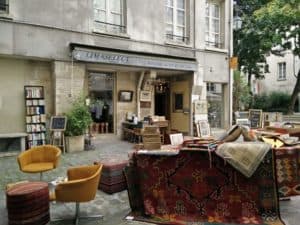
Timeless Thrifted Trends: Furniture to Watch in 2025–2026
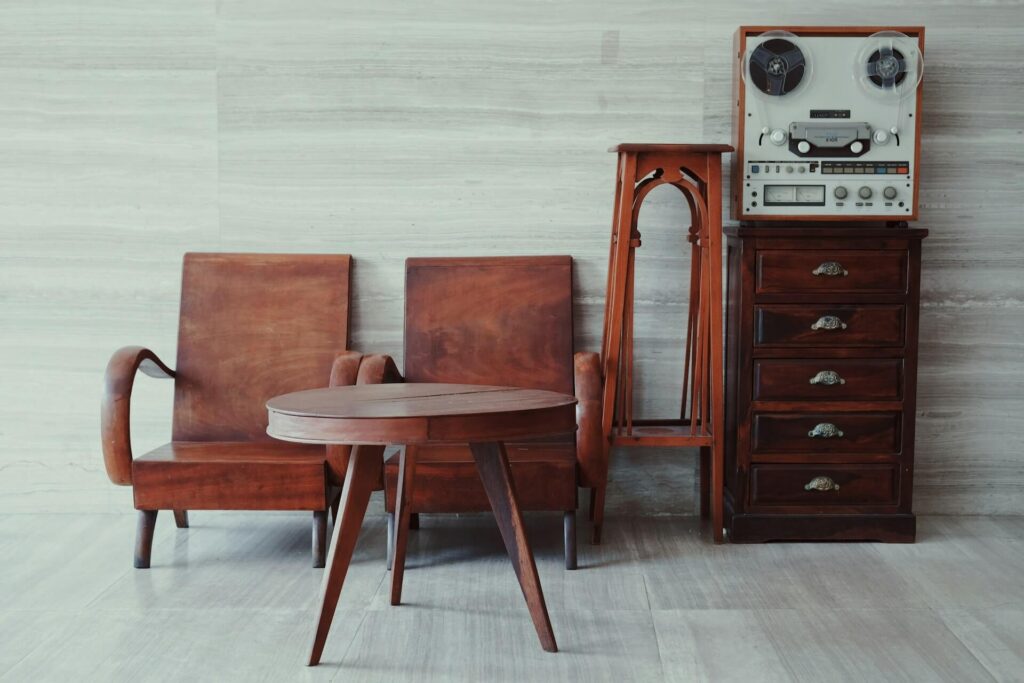
As we move further into the mid-2020s, the furniture trends dominating thrift stores reflect not only design nostalgia, but a deeper cultural shift toward sustainability, quality, and personalization. Consumers are growing more selective, driven by a desire to escape mass-produced uniformity and find pieces with character and history. This evolution is visible in the continued popularity of mid-century silhouettes, tactile materials like cane and burl wood, and flexible furniture that adapts to modern living needs.
Thrift stores have become a vital resource for decorators, homeowners, and collectors seeking to balance style, ethics, and budget. And while some trends remain firmly rooted in the past, others are being reinterpreted through new eyes—proving that secondhand does not mean second-rate. Here’s a closer look at the types of furniture expected to dominate thrift store finds in 2025 and 2026, along with the eras, designers, and materials worth knowing.
1. Retro & Vintage Sofas: The Statement Makers
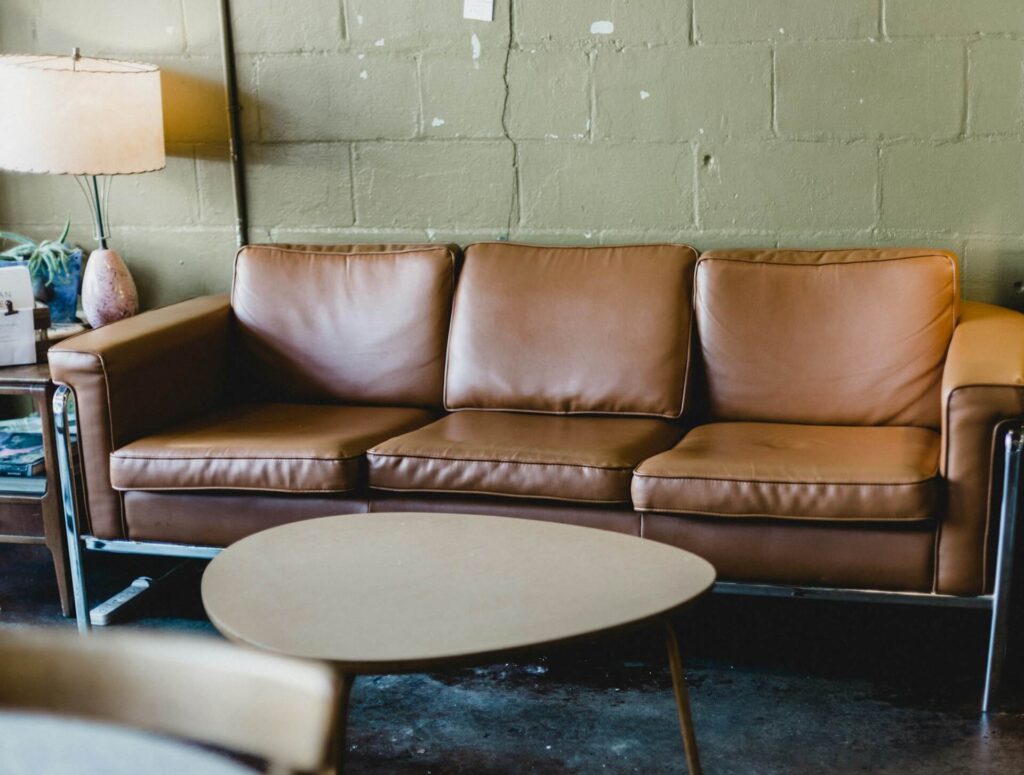
With their sculptural forms and bold upholstery, vintage sofas from the 1970s and 1980s are set to remain stars of the secondhand market. As interiors skew toward minimal palettes and clean lines, more homeowners are looking to inject personality through standout seating. Think curved velvet couches in mustard, emerald, or rust tones, or oversized 1980s modular sectionals that define the living room. These sofas do more than fill a space—they shape it, creating conversation-starting focal points that feel both retro and relevant.
Their popularity is also rooted in nostalgia and the desire for authenticity. Rather than buying new furniture designed to look vintage, many consumers now prefer original pieces with a story. For those who crave both comfort and character, vintage sofas strike the perfect balance.
2. Solid Wood Furniture: Durable, Sustainable, and Beautiful
Solid wood furnishings are undergoing a revival as more people reject the short lifespans of particleboard furniture. At thrift stores, you’ll find credenzas, dressers, coffee tables, and dining sets from the 1940s to 1970s that were built to last. These pieces not only add warmth and timeless appeal to modern interiors, but they can also be refinished, repaired, or upcycled with ease—giving them new life for decades to come.
This shift is driven in part by the environmental movement. As sustainability takes center stage, many shoppers are questioning the ethics of buying disposable furniture. Solid wood alternatives offer a greener, more economical solution—and in many cases, superior design and craftsmanship. Though they may appear bulky at first glance, these furnishings often become enduring favorites once integrated into the home.
3. Modular & Space-Saving Designs: Retro Solutions for Modern Living
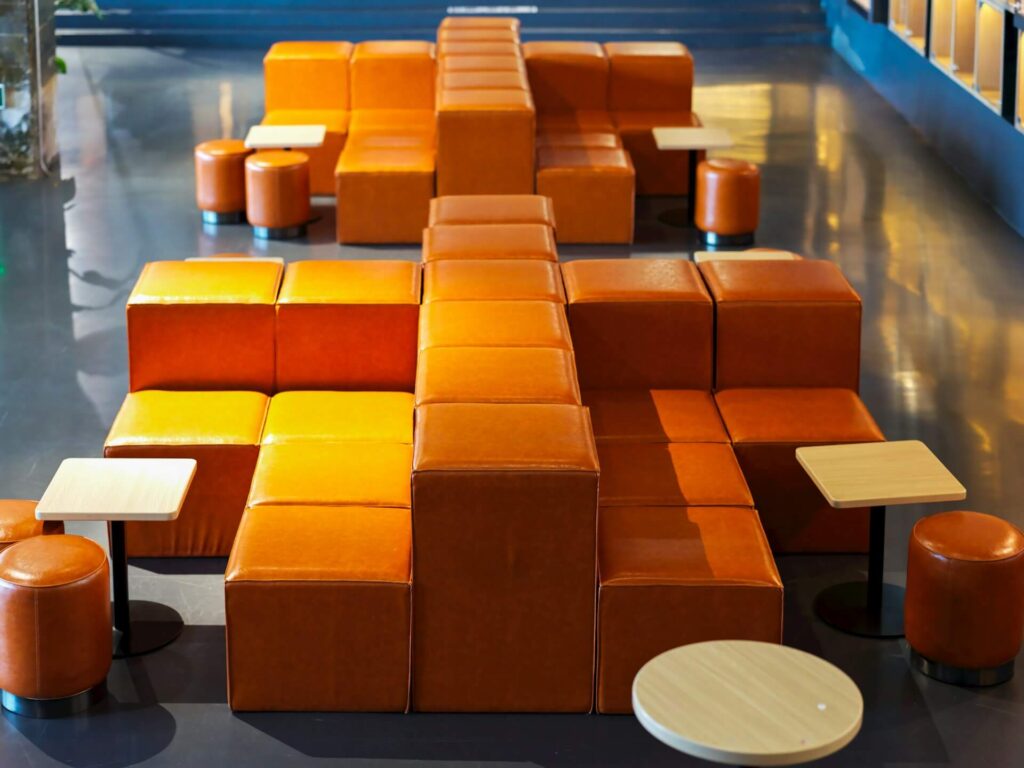
The need for adaptable, compact furniture continues to grow, especially as more people work from home and live in smaller urban spaces. Fortunately, modular furniture is not a new concept—and thrift stores are rich with pieces from the 1970s and 1980s that offer both function and flair.
Look out for shelving systems like vintage String units, wall-mounted storage, extendable tables, and nesting designs. These pieces are versatile, stylish, and easy to customize, making them a smart investment for evolving interiors. Their retro charm adds personality to spaces, while their flexibility supports contemporary needs.
4. Popular Eras for Thrifted Furniture: What’s In and Why
Not all vintage is created equal—some decades are more collectible and versatile than others. Here are three time periods whose furniture is expected to stay in demand:
Mid-Century Modern (1940s–1960s)
Mid-century modern furniture remains the gold standard for vintage design lovers. With its clean lines, tapered legs, and functional silhouettes, it blends seamlessly into nearly every aesthetic. Well-built pieces in walnut or teak are prized for their quality and adaptability.
1970s Organic Modern / Boho Aesthetic
This decade’s design language was warm, relaxed, and richly textured. Low-slung lounge chairs, cane or rattan furniture, and burl wood tables reflect a move toward cozy, nature-inspired interiors. Their inviting forms contrast beautifully with modern minimalism.
Postmodern (1980s–1990s)
Often overlooked until recently, the playful boldness of postmodern furniture is making a comeback. Lacquered finishes, geometric forms, and unexpected materials are being embraced by a younger generation drawn to quirky, maximalist expression.
5. Designers and Materials to Watch
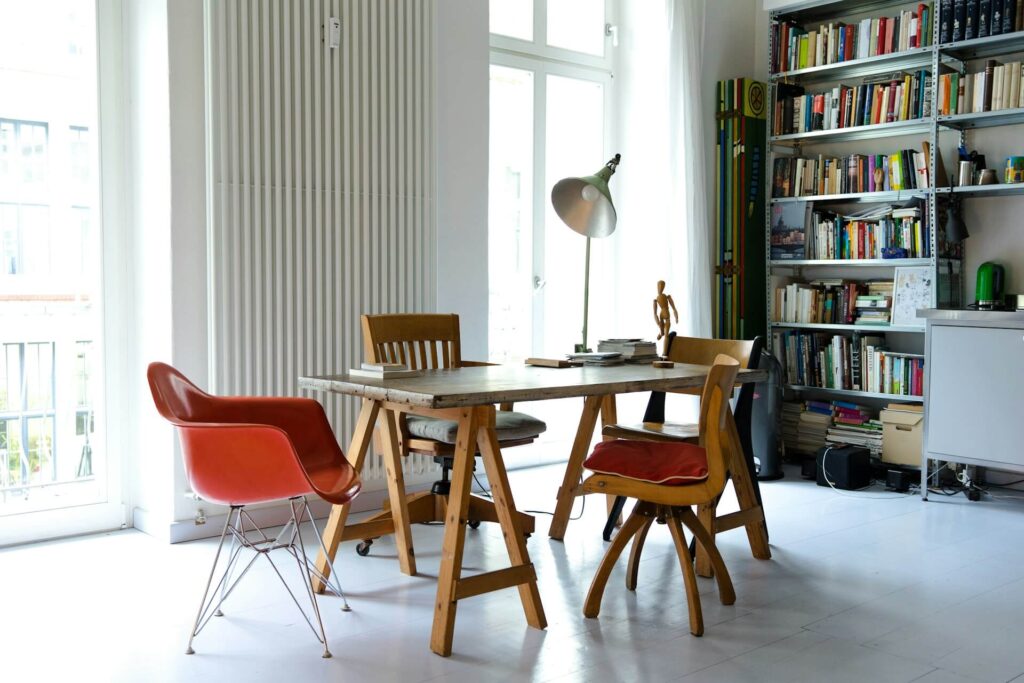
While famous designers like Eames and Saarinen are well-known, thrift-savvy buyers should also seek out other mid-century and postmodern creatives whose work is gaining value. At the same time, certain materials are proving particularly popular due to their aesthetic appeal and versatility.
Emerging and Enduring Designers
Materials Gaining Popularity
What’s Fueling This Thrift Renaissance?
In addition to aesthetics and environmentalism, technology is playing a pivotal role in how people source and evaluate thrifted furniture. With AI-powered tools like Google Lens, it’s easier than ever to identify, verify, and appraise vintage finds on the spot. This not only levels the playing field for amateur collectors but also increases competition for desirable pieces.

Platforms and marketplaces are also becoming more curated, making it simpler for users to discover secondhand furniture from reputable sellers. As more consumers embrace this hybrid of tech and vintage, we can expect a rise in educated buying—and faster decisions on great finds.
Final Thoughts: A Future Rooted in the Past
The future of thrifted furniture lies in its ability to honor the past while adapting to contemporary needs. In 2025 and 2026, thrift stores will remain vital sources of character-rich furnishings that stand apart from cookie-cutter decor. From Scandinavian simplicity to boho warmth and postmodern eccentricity, there’s something for every taste—and budget.
With knowledge, patience, and the right digital tools, shoppers can transform their spaces sustainably and stylishly. Thrifted furniture isn’t just a trend; it’s a conscious lifestyle rooted in appreciation for design, craftsmanship, and the stories that vintage pieces carry with them.