8 Items You Should Avoid Buying at Auctions

Auctions offer the thrill of discovery and the allure of rare finds, but not every item that catches your eye is worth bidding on. Whether you’re an experienced collector or a first-time enthusiast, it’s important to approach auctions as you would a treasure hunt: with careful preparation. Since property is typically sold “as is,” auction houses often provide limited guarantees, and even experts can be wrong. Before raising that paddle, arm yourself with knowledge. Here’s a guide to help you make the most confident choices on auction day.
1. Counterfeit-Friendly Categories: Art, Watches & Designer Goods
Items that fall into the luxury category—from fine art and vintage watches to coveted designer goods—are often the most attractive and most frequently counterfeited items at auction. The danger lies in their high value and desirability, making them prime targets for reproduction. Some counterfeits are so sophisticated that they fool even seasoned appraisers. Today’s replica markets produce Hermès handbags and Rolex watches so convincing they often come with cloned serial numbers and meticulous detailing. Without authentication, even expert buyers can be misled.
What to Watch For:
2. Luxury Items Without Documentation
Luxury goods without accompanying documentation are a gamble you may come to regret. A Hermès Kelly bag, for instance, loses considerable value if it’s sold without its box, certificate, and purchase receipt. Likewise, fine art and antique jewelry require provenance—a record of previous ownership or origin—to validate authenticity. Documentation is not just paperwork; it’s a part of the item’s identity and essential for appraisals, insurance, and future resale. Lack of it undermines legitimacy, making even beautiful items questionable investments.

How to Proceed:
3. Items Sold “As Is”: Functionality Isn’t Guaranteed
At auctions, “as is” means exactly that—no returns, no repairs, no questions asked. This disclaimer often applies to vintage electronics, machinery, vehicles, and even clocks or watches. On the surface, they may seem like great deals, but hidden issues could turn your purchase into a costly restoration project. For example, that $400 vintage Omega might need $800 in repairs to function again. With no guarantee of condition or usability, you may end up with an item better suited for display than use.
How to Mitigate Risk:
4. Poor Condition, Customised, or “Frankenstein” Pieces
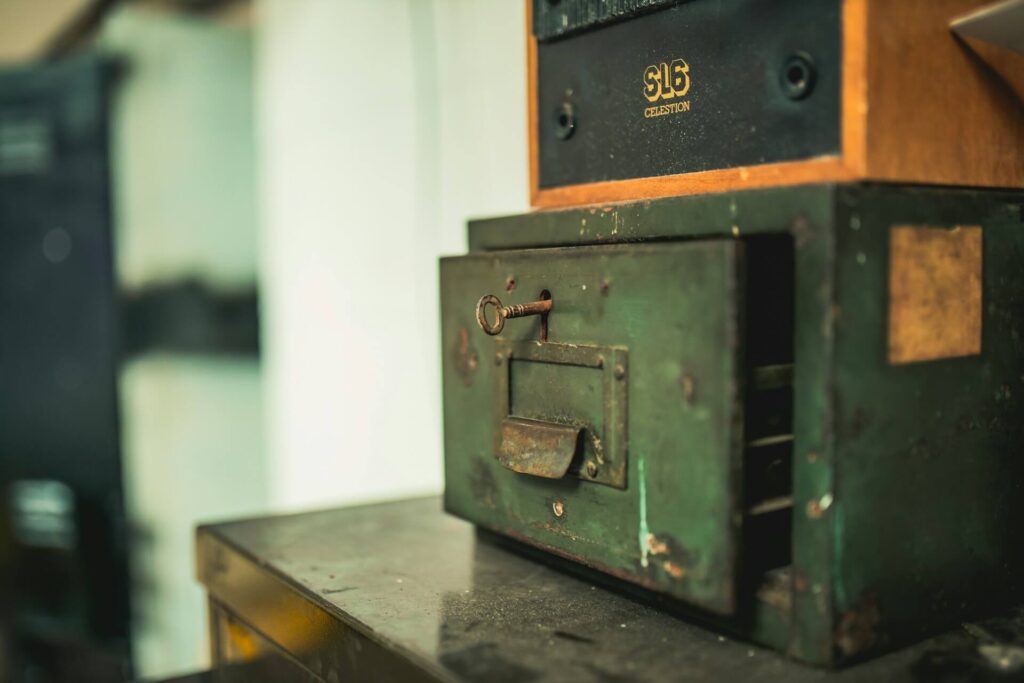
Some auction items are a patchwork of parts—literally. Known as “Frankenstein” pieces, these include antique furniture cobbled together from various sources, or classic cars rebuilt with mismatched components. Damage, alterations, or poor repairs can significantly lower the value of what appears to be a bargain. Restoration work is often more expensive than buyers anticipate and rarely yields a return on investment. Items in poor condition may also require materials or craftsmanship that are difficult to source.
What to Assess:
5. Mystery Lots & Mixed Bundles
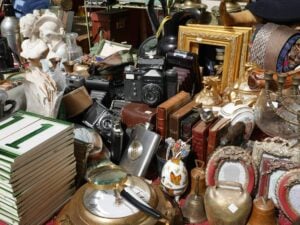
Auction mystery lots can be fun in theory—a treasure hunt in a box—but more often than not, they’re a disappointment. These bundles may contain damaged, unsellable, or low-value items hidden among more desirable ones. Without a full inspection or itemized list, you’re essentially buying blind. Even seasoned buyers tread carefully with mixed lots, as they can include deceptive packaging and overestimated appraisals. What looks like a deal could be a storage headache waiting to happen.
Strategy for Savvy Bids:
6. Perishable & Time-Sensitive Goods
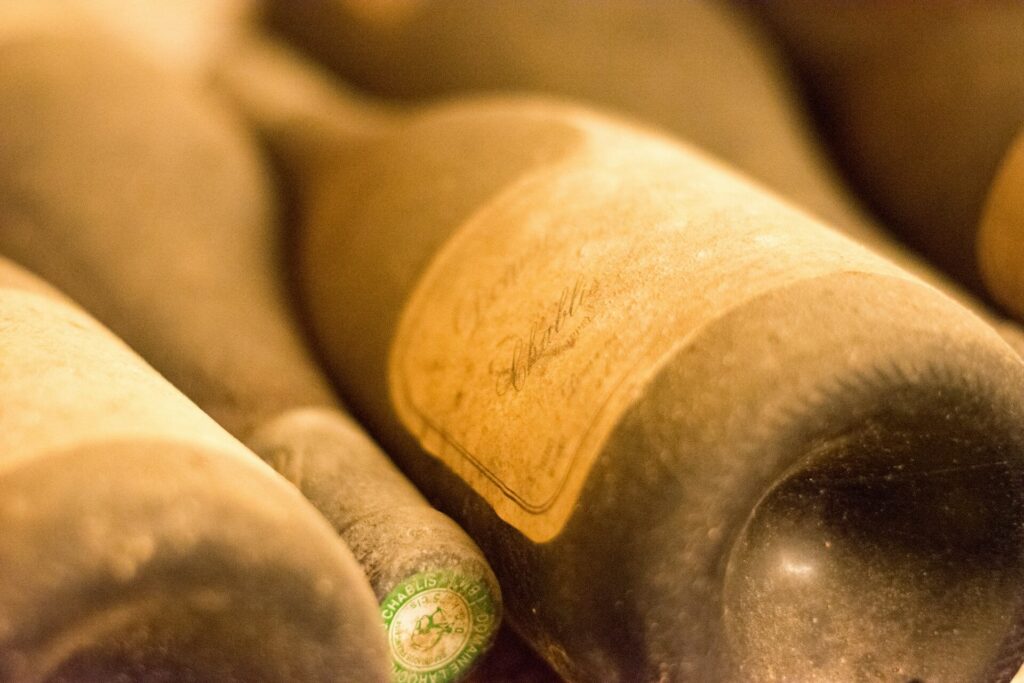
Buying perishables or time-sensitive goods at auction is usually ill-advised unless you have very specific plans. Items such as vintage wine, archival media (like old film reels or tapes), or even high-end skincare and fragrances can deteriorate with improper storage or simply over time. Their value is highly dependent on condition, which is hard to verify in a quick preview. Once the auction ends, the item becomes yours—flaws and all.
How to Navigate:
7. Repairs that Mask Hidden Damage
Sometimes what looks polished and pristine is hiding years of abuse. Refinished antiques, repainted furniture, or reupholstered chairs can cover up flaws like cracks, water damage, or rot. While cosmetic fixes are common, they often disguise deeper issues that are difficult or expensive to resolve. Pay close attention to items that look freshly touched up, especially if there’s no disclosure of restoration.
What to Check:
8. Endangered Materials with Legal Risks
Buying items made from endangered species materials can land you in legal hot water. Ivory, tortoiseshell, coral, and similar materials may be banned from sale or transport in many countries. Even if they’re vintage, these materials often require proof of origin and age to be legally traded. Without proper documentation, you risk confiscation, fines, or worse. What seems like a rare and beautiful find could result in complex legal issues, especially when crossing borders.

Use Caution:
Expert Tips for Smarter Auction Bidding
Conclusion: Be a Discerning Bidder
Auctions can reveal dazzling finds—rare art, diamond watches, one-of-a-kind furniture—but they can just as easily lead you into traps cast by hidden damage, forgeries, or overpriced lots. Avoid these pitfalls by being informed, prepared, and intentional. Prioritize documentation and functionality over aesthetics, practical restoration over impulse purchases.
Ultimately, successful auction shopping is about knowledge and restraint. Done right, bidding becomes more than a gamble—it transforms into an elegant and sophisticated strategy for building a curated, valuable, and authentic collection.