10 Pieces of Furniture to Avoid Buying from Thrift Stores
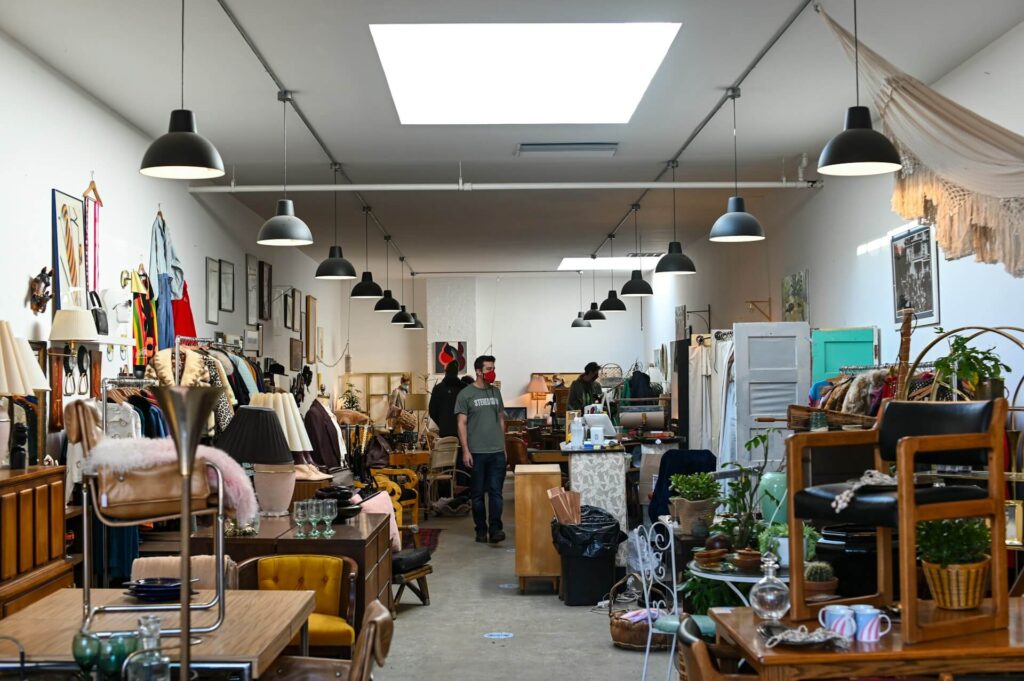
Thrift stores can be treasure troves for vintage and well-crafted home furnishings—but they can also be landmines if you’re not careful. While a second-hand sofa or ornate wooden chair might look charming at first glance, some pieces carry hidden risks that far outweigh their bargains. From upholstery nightmares to pest invasions, here’s a refined guide on which furniture to steer clear of—unless you’re fully prepared and informed.
1. Upholstered Furniture: A Gamble in Textiles
Why it’s risky
Sofas, armchairs, and upholstered benches are wonderful if you can reupholster them—or bear the cleaning cost. But many thrift store versions come with baggage: deep-set stains, unpleasant odors, and allergens that linger long after you bring them home. Worse yet, fabric furnishings are prime hosts for pests like bed bugs or clothes moths. Even if the upholstery looks immaculate, the hidden layers—cushions, lining, thread—can be breeding grounds for trouble.
When it can work
If you spot a classic mid-century modern gem with a solid hardwood frame, it’s worth considering—provided you’re ready to invest in professional reupholstery. Remember to factor that cost into your overall budget; it can quickly double or triple the item’s price.
2. Area Rugs: Hidden Costs in Every Thread
Why it’s tricky
A beautiful rug can define a room, but thrift-store rugs are a mixed bag. Unless you’re certain it’s an authentic hand-knotted vintage piece, you may end up with a synthetic or low-quality machine-made rug. These often carry odors, staining, and wear that cost more to clean (or replace) than the purchase price.

What to look for
Check for hand-knotted craftsmanship by examining the fringe and weave on the backside. Smell for mustiness. If it smells like mildew—or worse—be prepared to walk away. Remember: even a decent rug can scare off future buyers if it smells too strong.
3. Wooden Furniture with Potential for Pests
Why wood can be dangerous
Pests like woodworm, termites, or powderpost beetles often go unnoticed—until structural damage occurs. A vintage oak dresser might seem sturdy, only to reveal crumbling damage from the inside weeks later.
How to inspect
Look closely for tiny pinholes, sawdust residue, or weak panels. Knock on the surface; wood that’s been compromised sounds hollow. If in doubt, have it treated before bringing it in. Nothing ruins a home’s harmony faster than a spreading infestation.
4. Rattan and Wicker: Fragility and Restoration Costs
Why it’s often more trouble than it’s worth
Vintage rattan or wicker furniture by designers like Thonet, Gatti, or Drucker is undeniably beautiful—but notoriously costly to repair. Once fibers break or split, the integrity is lost. And weaving in new rattan strands takes time and professional skill.

When it’s worth considering
If the piece is in excellent condition—no broken strands, no sagging panels—and you can handle minor touch-ups with natural oil finishes, then proceed. Otherwise, resist the urge to bring home something that demands more TLC than it’s worth.
5. Veneered Furniture: The Cautionary Surface
Why veneer deceives
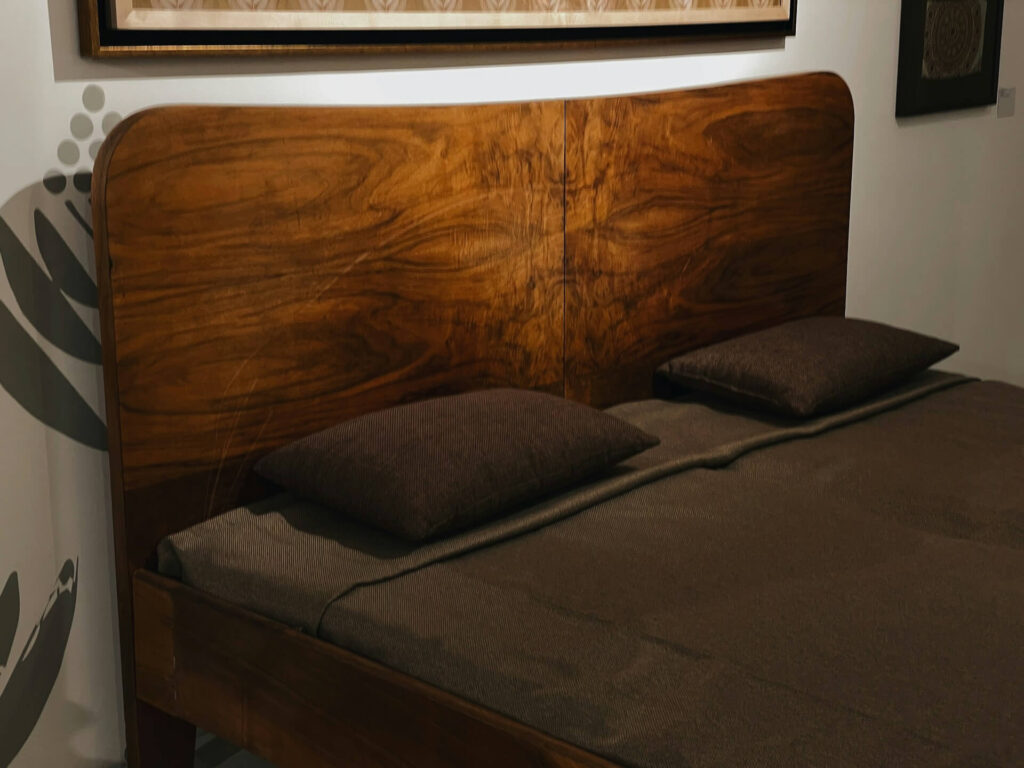
Veneer is a thin slice of real wood layered over cheap plywood or MDF. It can look elegant and refined, but once cracked, peeled, or bubbled, veneer repairs are nearly impossible to make disappear. And re-veneer work can cost nearly as much as a whole new piece of furniture.
What to check
Swipe your hand lightly across the surface. If it feels uneven or loose, it’s a sign to walk away. Also inspect edges and corners—these areas often peel first.
6. Mattresses: Never Risk the Unknown
Why mattresses are NEVER thrift-store buys
Mattresses are the most unhygienic piece of second-hand furniture. Underneath the pristine surface may lie bed bugs, dust mites, allergens, or even pet fur. Cleaning mattresses is nearly impossible to guarantee. Not even multiple high-heat sanitizing sessions make them safe.
Alternatives
Invest in a brand-new mattress or consider a mattress top layer. It’s safer, more sanitary, and guaranteed to protect your health—plus, you’ll sleep better.
7. Furniture Made from Endangered Materials: Ivory, Coral, Tortoiseshell
Why legal risks may cancel the excitement
Furniture or décor items molded from ivory, coral, tortoiseshell, or other protected materials might seem rare and beautiful—but pose serious legal and ethical risks. Owning, transporting, or selling them may run afoul of today’s international conservation laws. While some countries allow pre-1947 ivory under strict documentation (like the “antiques exemption” in the UK), most regions prohibit modern trade entirely.
What to do
Always request provenance documentation. As a general rule: avoid any item with questionable origins. Stick to ethically sourced, legally compliant objects for peace of mind.
8. Delicate Antique Pieces: Handle with Care
Why fragile antiques are often more hassle than delight
Small antique tables, ornate wooden boxes, or heirloom mirrors often look stunning—but their fragility is a hidden drawback. Thin wood, glass, or porcelain can crack, chip, or warp during transport or refurbishment. Restoration work on delicate pieces can require fine sanding, specialized adhesives, or custom paint matching.
How to evaluate
Gently tap the wood for stiffness. Check is joints (dovetail joints or mortise-and-tenon) for looseness. Inspect glass for stress fractures or bubbles. Unless you have expert restoration skills—or a qualified restorer on call—it’s safer to admire from afar.
9. Leather Furniture: Beware of Harsh Cleaning Needs
Why leather looks strong but isn’t always practical
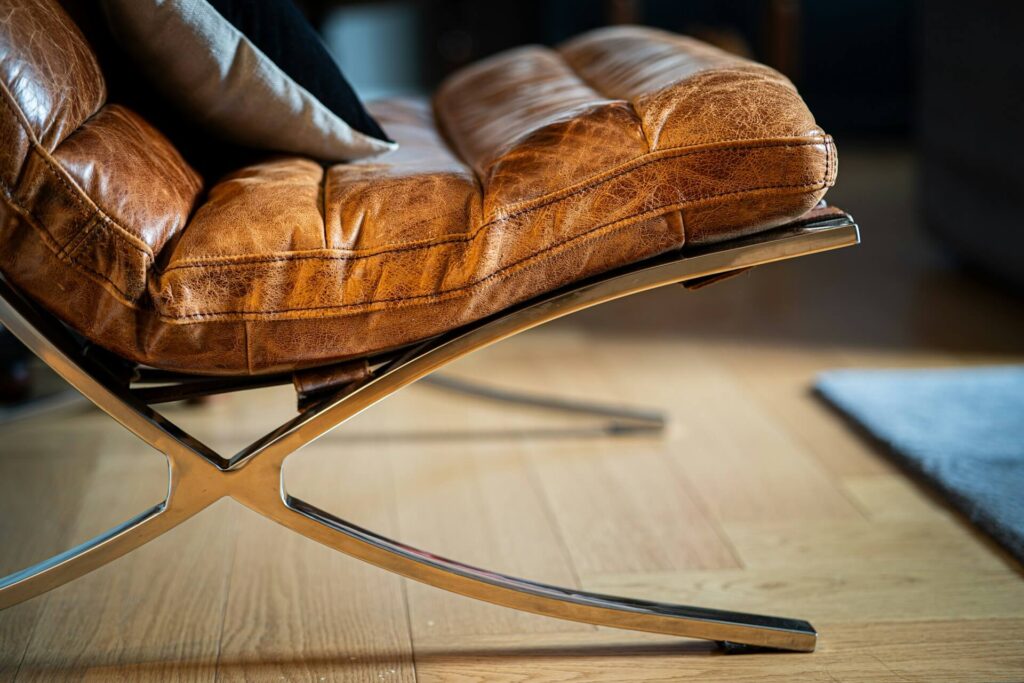
Leather furniture from thrift shops can seem like a smart buy, but older leather may have dried out, stiffened, or cracked. Cleaning with abrasive household cleaners can strip natural oils, leaving it brittle for good.
Proper care requirements
You’ll need PH-balanced leather conditioners to soften and condition the material. Spills require onsite repair or professional drying. If you’re hesitant to maintain leather upkeep, it’s best to leave it on the rack.
10. Refinished Painted Furniture: The Hidden Hazard
Why newly painted is not always new
Auctioning up thrift-store paint can hide serious damage underneath. If a piece has been freshly painted, it’s often to cover wood rot, water damage, or stains. Without removing the paint first, you might mask problems that will surface later.
What to inspect
Carefully lift a corner of the veneer or paint with a fingernail or cotton swab soaked in nail polish remover. If the wood beneath shows rot or mold, walk away. Consistently thick paint layers are a warning sign.
How to Shop Smart—and Save Wasted Time
Conclusion: Buy with Intention, Not Impulse
Thrift shopping is a wonderful, eco-conscious way to furnish your home—but not all pieces deserve to come home with you. Upholstered furniture, dud mattresses, infested wood, delicate antiques, and pieces made of protected materials can bring headaches that far outweigh their bargain status.
That said, the perfect thrift-store find can be a gem—a timeless leather chair, a sturdy oak sideboard, or a rare authentic rug. The key lies in education, vigilance, and knowing when to buy—or pass.
Final tip: always consider how the item will fit into your lifestyle, budget, and home. With the right approach, second-hand furniture can be both beautiful and practical—but only if you bring home a piece that is truly worth keeping.