Traveling through foreign countries is a thrilling experience, especially when you’re passionate about local craftsmanship, vintage treasures, and discovering unique pieces at flea markets or antique fairs. Some travelers don’t hesitate to purchase a full set of Provencal bedroom furniture, a stack of vintage leather trunks, or even an oversized 1950s neon sign. Others, however, may hesitate — not due to the price tag, but because of the logistics and costs of shipping such items back home. If your home is thousands of miles and an ocean away, the thought of international shipping can feel daunting. But it doesn’t have to be. This comprehensive guide will walk you through the best practices, services, and tips to ensure your antiques make it home safely and affordably.
Once you’ve found a gem at a flea market or antique store, you’re faced with a choice: carry it with you for the rest of your trip, or ship it home. If your find is small and manageable, placing it in your suitcase or using a postal service such as La Poste, Colissimo, or DHL might suffice. However, the bulkier the object, the more complex the shipping becomes. Courier services like FedEx, UPS, and TNT operate worldwide, but their rates for heavy or oversized items can quickly add up — especially for transatlantic deliveries.
If you’ve picked up antique furniture or oversized decorative pieces that simply won’t fit in your suitcase, hiring a professional shipper can be both an effective and cost-saving solution. Many international shippers consolidate space in their cargo loads, meaning your items share space (and cost) with others. Below, we’ll explore how to navigate antique shipping efficiently — and what common mistakes to avoid.
Shipping antiques overseas: general considerations
Shipping antiques internationally requires more than simply boxing up your item and dropping it off at the nearest post office. Depending on what you’ve purchased — whether it’s a delicate porcelain vase, a heavy Art Deco sideboard, or a collection of mid-century chairs — your approach to shipping will vary significantly. Factors such as size, weight, fragility, value, and destination country regulations all play a role. In addition, how quickly you need your item delivered can influence whether you choose air freight, ocean freight, or a consolidated shipment. Below, we outline two common scenarios and the best practices for handling each, so you can make informed decisions and avoid costly mistakes.
1. Shipment can fit in a 150cm x 150cm box (max 30 kg)
Use national postal services — in France, that’s Colissimo Expert International. They offer solid international delivery options for smaller parcels, often at competitive prices compared to private shippers.
2. Shipment is too bulky to be sent by Air Mail
Ask the seller about shipping: many vendors — especially those at established markets — work with shippers or offer packing and shipping assistance.
Larger flea markets sometimes feature dedicated shipping offices onsite.
Hire a freight forwarder in your country. While they might not be based in Paris, they’ll usually partner with local logistics experts. One such company is The Antiques Diva® & Co, which collaborates with art and antique shipping firms in Europe and Asia.
Reach out to local antique importers in your country and ask if you can share space in their next freight container. This is one of the most efficient ways to save on large shipments.
The size and weight of your antique purchases play a crucial role in determining the best shipping method. Shippers often calculate costs based not just on weight but also on dimensional volume, especially for bulky or oddly shaped items. Below are typical size categories and what you can expect in terms of cost, speed, and handling:
1. Antiques up to 600 pounds (270 kg)
Air Freight: This is the fastest method but also the most expensive. Expect to pay around $1,000 or more for a pallet-sized crate weighing 500–600 pounds. This cost includes transportation only. Additional fees for storage, professional packing, insurance, and import duties are extra. Estimated delivery time: 2–3 weeks.
Ocean Freight: A more economical choice for large items. Shipping the same load by sea could cost around $600–700, excluding storage and customs-related charges. Estimated delivery time: 6–8 weeks. Ocean freight is a smart choice if you’re not in a rush.
2. Antiques > 20,000 pounds (10,000 kg)
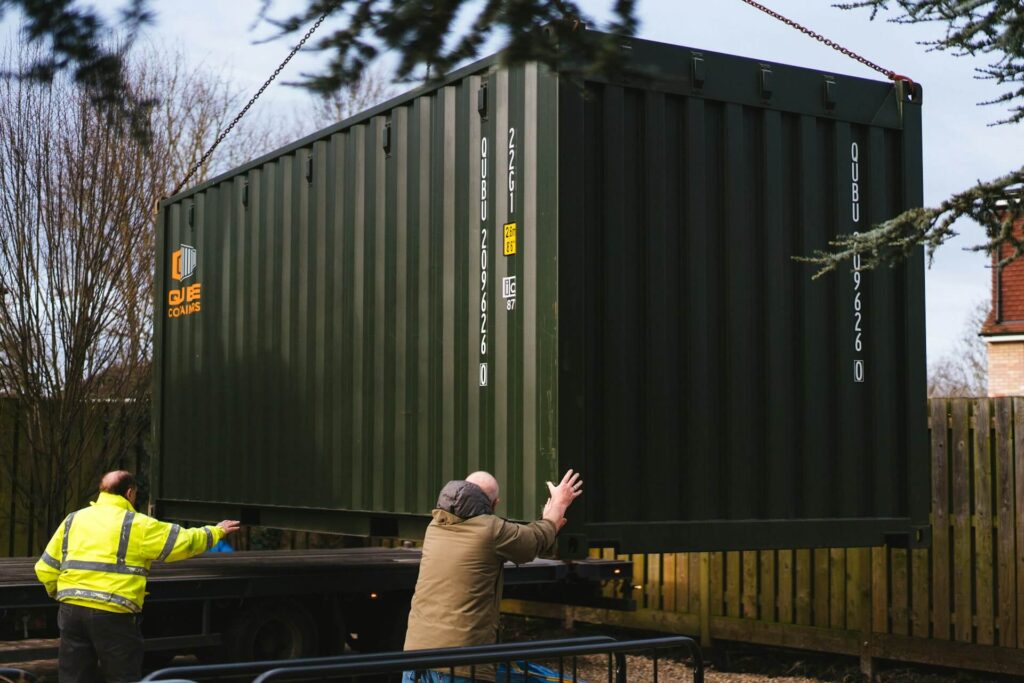
If you’ve purchased a substantial collection — be it for personal use or for professional import — you may need to consider a full container. A standard 20-foot container can hold up to 35,000 pounds (approx. 16,000 kg) of goods and generally costs around $6,000–$7,000. Partial container loads are also possible, though they may involve extra paperwork and coordination. Estimated delivery time: 3–12 weeks, depending on distance, weather conditions, and freight demand.
Save big on your antique shipping costs with Consolidated Shipping
To cut shipping costs significantly, consider groupage or consolidated shipping — the process of combining multiple individual shipments into one larger load. This method reduces your share of transport costs and helps avoid paying for empty container space. It’s especially helpful when you’re shipping just a few pieces of furniture or decorative objects.
One of the most reliable names in the groupage market is Shiply. Their platform operates in nearly 100 countries and works with over 80,000 vetted delivery companies. Quotes can be up to 75% cheaper than standard services, particularly if your shipment fills in unused cargo space. You simply fill out a form (pickup and drop-off address, item details, date), and you’ll receive quotes — often within an hour.
All couriers on Shiply are feedback-rated and most offer insurance (up to $100,000) to protect against loss or damage. It’s user-friendly, and particularly ideal for smaller antique purchases from overseas markets or fairs.
Of course, Shiply isn’t the only option. Searching for terms like “consolidated antique shipping”, “groupage services”, or “shared container freight” on Google will return other alternatives. Some will be better suited depending on your country of residence, budget, and how much assistance you need with customs paperwork or professional packaging.
Conclusion
Shipping antiques and vintage finds internationally might seem overwhelming at first — but it’s entirely manageable with the right preparation. By understanding your shipping options, choosing a trustworthy transporter, and consolidating your shipment when possible, you can safely bring home your treasures without breaking the bank. Whether you’re a casual collector or a professional buyer sourcing inventory, the strategies covered in this guide will help you streamline the process and avoid costly mistakes. Don’t let logistics hold you back — happy hunting, and safe shipping!
To provide the best experiences, we use technologies like cookies to store and/or access device information. Consenting to these technologies will allow us to process data such as browsing behaviour or unique IDs on this site. Not consenting or withdrawing consent, may adversely affect certain features and functions.
Functional
Always active
The technical storage or access is strictly necessary for the legitimate purpose of enabling the use of a specific service explicitly requested by the subscriber or user, or for the sole purpose of carrying out the transmission of a communication over an electronic communications network.
Preferences
The technical storage or access is necessary for the legitimate purpose of storing preferences that are not requested by the subscriber or user.
Statistics
The technical storage or access that is used exclusively for statistical purposes.The technical storage or access that is used exclusively for anonymous statistical purposes. Without a subpoena, voluntary compliance on the part of your Internet Service Provider, or additional records from a third party, information stored or retrieved for this purpose alone cannot usually be used to identify you.
Marketing
The technical storage or access is required to create user profiles to send advertising, or to track the user on a website or across several websites for similar marketing purposes.
Ready to elevate your antique hunting game? Let's stay in touch!
Join over 16,000 treasure hunters and receive monthly updates on rare upcoming flea markets and shows, city antiquing guides and exclusive market spotlights. Plus, as a welcome gift, enjoy a 20% discount on our Premium subscriptions!