


Region
Buchanan’s Vintage Market – Dallas is permanently closed. This listing is retained as an editorial archive of the venue and its distinctive character.
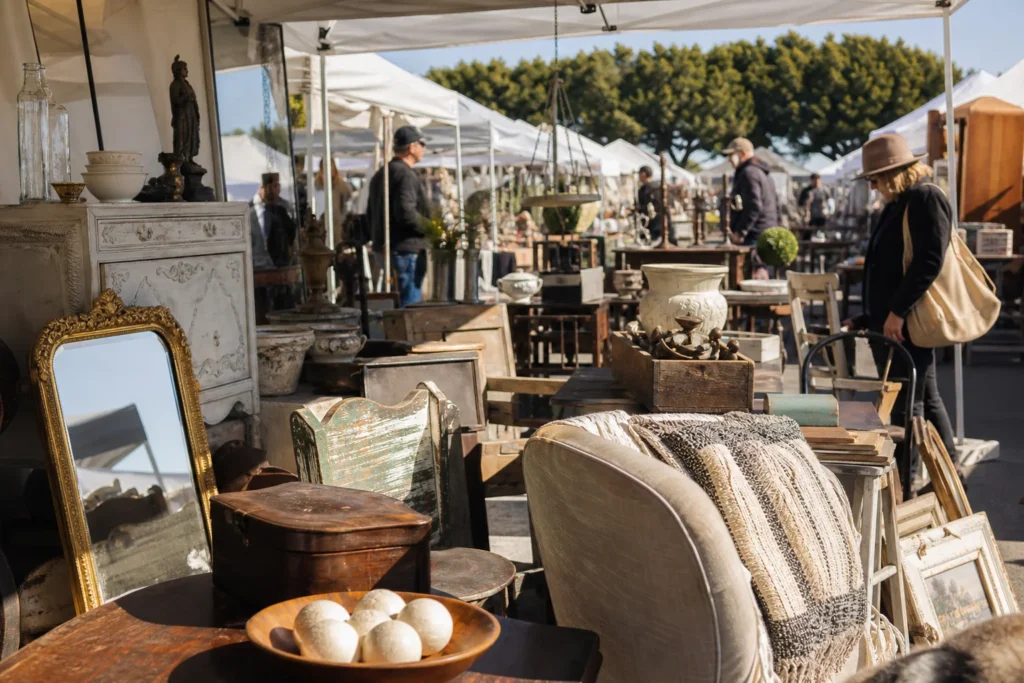
Buchanan's Vintage Market occupied an impressive 85,000 square feet of vendor tents in Dallas, Texas. Spread across an expansive outdoor footprint, the market drew collectors and enthusiasts from well beyond the city — and beyond the state. For many visitors, it was a destination in its own right, worth planning a trip around rather than simply dropping into.
The market ran on a monthly rhythm, opening on the third Saturday and Sunday of each month. That regularity gave it a loyal following. Collectors knew when to clear their calendars, and vendors knew when to load their vans. The weekend format gave buyers two full days to work through the sprawling tent rows without feeling rushed.
What filled those tents was genuinely eclectic. Furniture hunters combed through shabby chic pieces and heavier antique furnishings, looking for the kind of items that take years to track down individually. Ceramics enthusiasts found pottery and decorative pieces alongside artwork that ranged from the obscure to the surprisingly accomplished. Book collectors browsed stacks of classic novels, while curiosity seekers gravitated toward kitsch retro ornaments and collectibles sourced from across the United States and Europe. The range ensured that almost any visitor left with something.
The vendors themselves were a notable part of the experience. These were professional sellers with real knowledge of their stock, not casual table-holders. They could speak to the provenance and character of their pieces, and they operated within a negotiation culture. Prices were discussed, not simply accepted. That dynamic gave the market a more engaged, transactional energy than a typical browse-and-buy retail setting.
Entrance for the weekend was five dollars — a modest sum given the scale of what was on offer. Parking carried a separate ten-dollar charge, a practical detail that shaped how some visitors organised their day. The outdoor tent layout rewarded patient browsing. Serious collectors moved methodically through each row, while more casual visitors drifted between whatever caught their eye. Both approaches worked in a space this size.
Buchanan's built a reputation that reached well outside Dallas. Thousands of visitors attended across its run, and the market was regarded as one of the more serious antique and vintage events in the region. For a particular kind of collector — the type drawn to American and European pieces, to furniture with a history, to objects that carried some sense of where they had been — it represented exactly the kind of market that is genuinely difficult to replicate. Its scale, its vendor culture and its steady monthly presence gave it a place in the Dallas antique calendar that was recognisably its own.
Frequently Asked Questions
Q: Is Buchanan's Vintage Market still open?
A: No. Buchanan's Vintage Market in Dallas is permanently closed. This listing is kept as an editorial archive of the market's history and character.
Q: What kind of items did Buchanan's Vintage Market sell?
A: The market was known for shabby chic furniture, antique furnishings, pottery, artwork, classic novels, kitsch retro ornaments, and collectibles sourced from across the United States and Europe. It attracted serious furniture hunters, book collectors, ceramics enthusiasts, and general curiosity seekers alike.
Q: How large was the market, and when did it run?
A: Buchanan's spread across 85,000 square feet of outdoor vendor tents and ran on the third Saturday and Sunday of each month, giving collectors a regular two-day window to work through the full range of stalls.
Q: Were vendors at Buchanan's open to price negotiation?
A: Yes. The vendors were professional sellers with strong knowledge of their stock, and negotiating on price was a normal part of how the market operated rather than an exception.
Q: What did it cost to attend Buchanan's Vintage Market?
A: Historically, the weekend entrance fee was five dollars. Parking was charged separately at ten dollars. These figures are from the market's operational period and are recorded here for archive reference only.
Marketplace Highlights









Add a review