


Region
Cameo Antique Mall is permanently closed. The venue is retained as an editorial archive of the venue and its distinctive character.
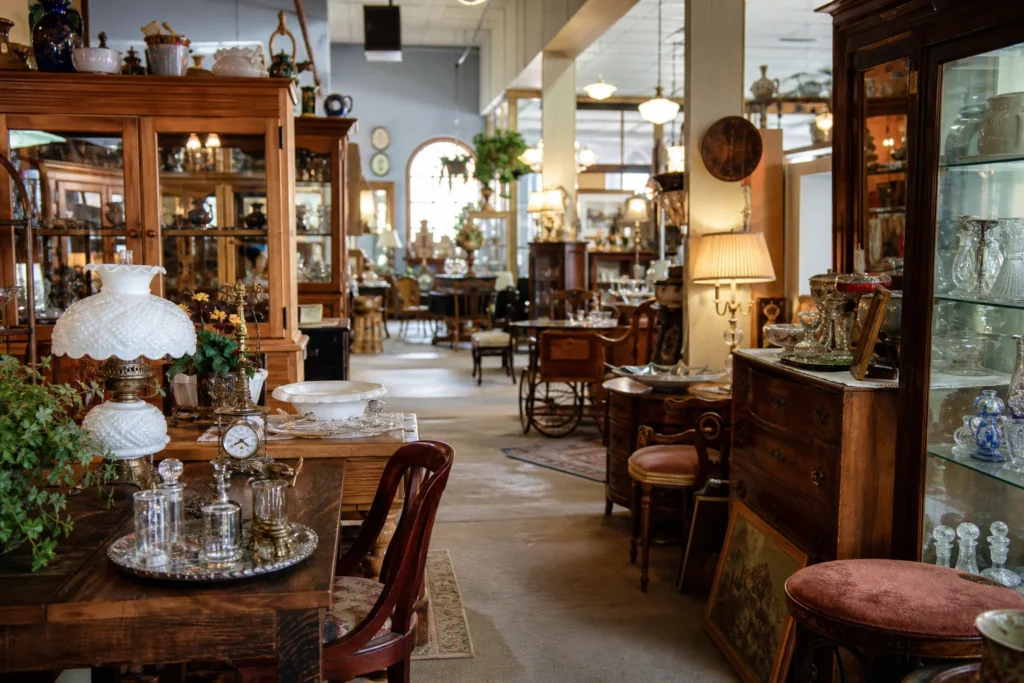
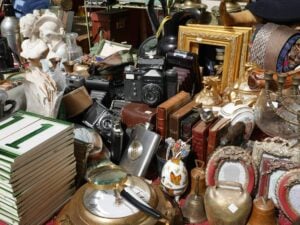
Walking through Cameo Antique Mall felt like moving through a well-kept private collection rather than a retail floor. The merchandise had that quality — specific, layered, and gathered with clear intent. Antique and vintage jewelry formed the heart of the business, and the depth of that category alone set Cameo apart from the typical multi-dealer space. Beyond the cases of rings, brooches and pocket watches, the stock fanned outward into mantel clocks, fine china, vintage books, sheet music, vinyl records and original artwork. Lamps and chandeliers caught the light from unexpected angles. The effect was less like browsing and more like discovery.
The woman behind the business was Deborah Skowronski, whose connection to the trade ran deep before Cameo ever opened. Her parents spent their lives sourcing, restoring and selling antiques, and she absorbed that knowledge as a natural part of growing up. Cameo was her second venture into dealing, and that experience showed in the way the space operated — both as a collector's resource and as a place that felt genuinely inhabited by the objects it sold.
One practical feature made the mall stand out beyond its inventory. On-site jewelry repair and restoration services gave the business a working dimension that a purely retail operation lacks. Regulars brought pieces in for attention, not just to shop. That combination of specialist stock and hands-on expertise gave Cameo a reputation that extended well beyond Sauk City.
The floor plan rewarded patience. Large antique malls often sacrifice navigation for volume, and the result is merchandise piled without context. Cameo handled the layout differently. Each vendor worked within enough space to present their goods clearly, and the overall arrangement let shoppers move through at their own pace without doubling back or losing their bearings. Furniture pieces anchored certain sections. Smaller collectibles — postcards, sheet music, glassware — filled the spaces between with enough variety to keep any collector moving.
Pricing covered a wide range, and the mix of categories reflected that breadth of audience. Serious collectors hunting Depression glass or a particular maker's mark found genuine depth in the stock. First-time buyers or casual visitors found enough approachable pieces to make the visit worthwhile. The mall did not gear itself toward decorators alone.
Cameo also developed an online presence that carried its inventory beyond Wisconsin. A dedicated website and an Etsy storefront gave remote buyers access to smaller items, while larger furniture pieces required an in-person visit. That reach extended the mall's reputation and made its jewelry specialty known to collectors who would never pass through Sauk County in person.
Sauk City sits on the Wisconsin River, roughly forty miles northwest of Madison and squarely within the Driftless Area — a region that has long attracted weekend travelers and antique hunters willing to follow a good lead off the interstate. Within that landscape, Cameo Antique Mall earned a place as a genuine local institution: specific in its focus, deep in its stock, and shaped by a family tradition that gave the whole enterprise a character difficult to manufacture.
Frequently Asked Questions
Q: What was Cameo Antique Mall best known for among collectors?
A: Antique and vintage jewelry was the heart of the business — rings, brooches and pocket watches with genuine depth across the cases. Beyond jewelry, the stock extended into mantel clocks, fine china, Depression glass, vinyl records, sheet music, original artwork and vintage furniture, giving the mall a range that rewarded both specialist collectors and casual browsers.
Q: Did Cameo Antique Mall offer any services beyond retail selling?
A: Yes. On-site jewelry repair and restoration set the mall apart from a standard multi-dealer space. Regulars brought pieces in for work rather than just to shop, which gave the business a practical, expert dimension that kept a loyal customer base coming back.
Q: Who ran Cameo Antique Mall, and what was their background in the trade?
A: Deborah Skowronski owned and operated the mall. Her parents spent their careers sourcing, restoring and selling antiques, and she absorbed that knowledge growing up. Cameo was her second venture into dealing, and that accumulated experience showed in the depth and focus of the inventory.
Q: What was the browsing experience like inside the mall?
A: The floor plan was notably well organized for a multi-dealer space. Vendor stalls had enough room to present merchandise clearly, and the overall layout allowed shoppers to move through at their own pace without losing their bearings — closer in feel to a curated private collection than a crowded warehouse floor.
Marketplace Highlights







Add a review