


For collectors and dealers who need a reliable sense of what the market actually values, Christie's sale results function as something close to a live pricing index. Whether you are negotiating at an antique fair, weighing a private purchase, or simply monitoring a niche, the hammer prices from a Christie's sale carry genuine reference weight. That practical utility is worth understanding before anything else — and it sits alongside the fact that Christie's has been running sales since 1766, making it one of the oldest continuously operating auction institutions in existence.
The platform gives buyers two routes in. Live salerooms run throughout the year, and a fully developed online platform means registered bidders can follow and participate in sales remotely. Watching the hammer fall in real time without travelling to a saleroom is now routine. The online access has made Christie's genuinely usable for collectors who once had limited practical reach into the major auction circuit.
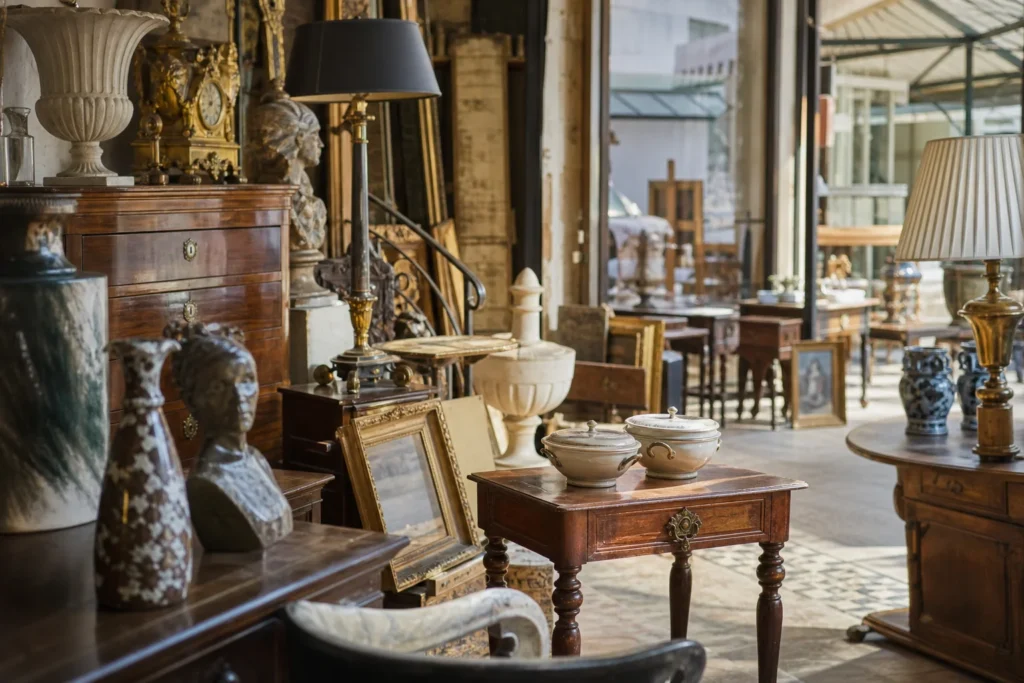
The range of material on offer is broad enough to suit very different collecting instincts. On the fine art and historical side, Christie's runs sales in Old Master Paintings, Post-War and Contemporary Art, Asian and World Art, and Books and Science. The decorative and wearable categories cover Decorative Arts and Antiques, Jewellery, Watches, and Handbags. A collector focused on eighteenth-century porcelain and one chasing vintage timepieces both land in the same ecosystem — useful context when tracking crossover values or simply understanding what serious buyers are currently spending.
Christie's Private Sales channel handles transactions outside the main auction calendar. Specialists act as intermediaries, connecting buyers and sellers directly when waiting for the right sale slot is not practical. For anyone looking to acquire or place a significant piece on a more flexible timeline, this channel is worth exploring alongside the scheduled sales.
Every lot carries specialist-compiled condition reports and provenance notes. This level of research is available before a sale, not just on request — which matters when you are committing serious money to a piece you may not be able to inspect in person. The due-diligence framework is one of the more substantive things Christie's offers buyers relative to less formal market channels.
The fee structure deserves clear attention before bidding. Sellers work with Christie's specialists to agree pre-sale estimates and a commission on the final hammer price. Buyers pay a separate premium on top of that hammer price — standard across the major international houses, but easy to underestimate when setting a ceiling. Build that premium into your budget before the sale opens, not after.
Christie's suits collectors building or monitoring a focused collection, dealers calibrating prices against the international market, and buyers who need credible provenance research before committing. What distinguishes it now is the combination of long institutional authority and a genuinely accessible online platform — a pairing that was not always characteristic of the top auction houses.
Frequently Asked Questions
Q: Can I bid at Christie's without attending a saleroom in person?
A: Yes. Registered bidders can follow and participate in live sales remotely through Christie's online platform, watching the hammer fall in real time without travelling to any of the physical salerooms.
Q: What kinds of antiques and collectibles come up at Christie's?
A: The catalogue spans a wide range, including Decorative Arts and Antiques, Old Master Paintings, Asian and World Art, Jewellery, Watches, Books and Science, and more. A collector focused on eighteenth-century porcelain and one chasing vintage timepieces will both find relevant material across the same sale seasons.
Q: Is there a buyer's premium on top of the hammer price?
A: Yes, and it is worth building into your budget before bidding rather than after. Christie's charges buyers a separate premium on top of the final hammer price — standard practice across the major international auction houses. Check Christie's current fee schedule for the applicable rates, as they are structured in tiers and can change.
Q: What if I want to buy or sell a significant piece outside the main auction calendar?
A: Christie's Private Sales channel handles exactly that. Specialist intermediaries connect buyers and sellers directly, without waiting for a scheduled sale slot — useful when flexibility on timing matters more than the open-auction format.
Q: How can Christie's sale results be useful even when I'm not actively bidding?
A: Hammer prices from Christie's Decorative Arts and antiques sales are widely used by collectors and dealers as a real-world pricing reference. If you are negotiating at a fair, weighing a private purchase, or monitoring values in a niche, those results give you a grounded benchmark for what serious buyers are currently spending.










Add a review