



Kaivarin Kanuuna is permanently closed. The market is retained as an editorial archive of the venue and its distinctive character.
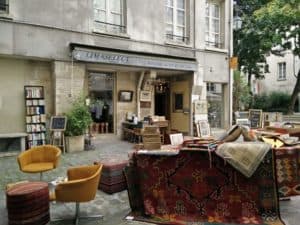
Kaivarin Kanuuna occupied a particular and well-loved corner of Helsinki's second-hand scene. Situated on Merikatu in the Kaivopuisto district, it stood in one of the city's most quietly elegant residential neighbourhoods — a setting that shaped both its character and the calibre of what turned up on its shelves.
The shop ran on a consignment model that set it apart from a conventional flea market. Rather than staffing a stall themselves, sellers would drop their unwanted goods off and let the shop handle the selling. This arrangement suited the Finnish second-hand landscape well. Private garage sales never took hold the way they did elsewhere in Europe, so consignment shops like Kaivarin Kanuuna filled that gap — giving individual sellers a practical and low-effort way to pass things on.
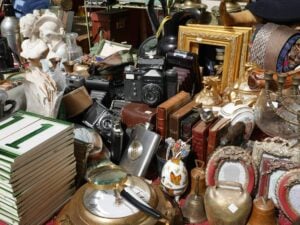
The stock tended to reflect where the shop was rooted. Vintage clothing and accessories formed one of its strongest draws, ranging from everyday pieces to the occasional find worth looking twice at. Books turned up regularly, often in good condition. Smaller household objects and decorative items rounded out the shelves — the kind of things that migrate out of well-kept homes rather than storage units. Nothing was guaranteed, but the neighbourhood background meant that browsers generally encountered a more considered range than a sprawling outdoor market might offer.
Part of what made Kaivarin Kanuuna work as a browsing experience was its scale and focus. It was not a vast event or a weekend institution. It was a proper shop — compact, curated by circumstance, and refreshed by a steady rotation of consignments. Regulars knew that returning often was the point, since the inventory shifted with whatever sellers brought in.
Kaivopuisto itself added something to a visit. The park sits close to the shoreline, and combining a look around the shop with a walk through its tree-lined paths made for an unhurried afternoon in a part of Helsinki that rewards slow movement. The area does not shout for attention, but it has a settled, residential quality that the shop seemed to absorb.
Among Helsinkians looking for vintage and second-hand finds, Kaivarin Kanuuna earned genuine word-of-mouth standing. It was not the kind of place that advertised loudly or drew weekend crowds from across the city. It worked because the model was sensible, the location was good, and the stock surprised often enough to keep people coming back. That combination — neighbourhood consignment shop in an area of quiet distinction — gave it a reputation that outlasted its trading days.
Frequently Asked Questions
Q: What made Kaivarin Kanuuna different from a typical flea market?
A: It ran on a consignment drop-off model rather than a traditional stall format. Sellers left their goods with the shop, and the shop handled the selling on their behalf — a practical arrangement that kept the inventory rotating steadily without requiring sellers to man a stall themselves.
Q: What kind of stock did the shop typically carry?
A: Vintage clothing and accessories were among its strongest draws, alongside books and smaller decorative and household objects. The Kaivopuisto neighbourhood — one of Helsinki's more quietly elegant residential districts — tended to shape what came in, and browsers generally found a more considered range than a large outdoor market would offer.
Q: Why did the consignment model resonate in Helsinki specifically?
A: Private garage sales never became common in Finland the way they did in many other parts of Europe, so consignment shops filled a genuine gap. Kaivarin Kanuuna gave individual sellers a low-effort way to pass things on, which helped it build a loyal following among both sellers and regular browsers.
Q: Is Kaivarin Kanuuna still open?
A: No. Kaivarin Kanuuna is permanently closed. It is retained here as an editorial archive reflecting its character and place in Helsinki's second-hand scene.
Marketplace Highlights








Add a review