


Region
RePOP is permanently closed. The market is retained as an editorial archive of the venue and its distinctive character.
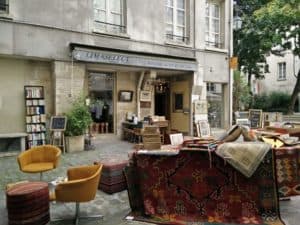
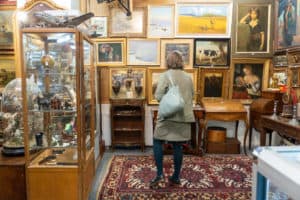
The idea behind RePOP felt almost contradictory on paper — the overcrowded warmth of a Parisian boutique pressed against the promising disorder of a midwestern junk shop. In practice, the balance worked beautifully. The space never tipped into chaos. Large windows pulled natural daylight across the floor, making it easy to read the grain of a wood surface or the patina on a piece of vintage hardware. Browsing felt unhurried, even generous, in a city where secondhand retail often defaulted to either clinical minimalism or genuine mayhem.
Antique furniture anchored the collection. The owners sourced with a clear editorial point of view, and it showed in every corner of the floor. Pieces arrived in notably good condition — not restored into blandness, but cared-for and honestly presented. Alongside the furniture, the shop carried vintage jewellery, watches, clothing and decorative objects, each category chosen with the same curatorial discipline as the main stock. For a collector focused on a specific era or material, the focused inventory made searching productive. For a decorator hunting character rather than catalogue pieces, the range offered genuine options.
Stock turned over at a pace that rewarded return visits. Regular customers found something new on each trip, and the overall aesthetic held together season after season. This consistency pointed to a buying approach rooted in design knowledge rather than opportunistic acquisition. RePOP never felt like a clearinghouse. It felt like a point of view made physical.
Pricing sat above the midpoint of the New York vintage market, and that was worth knowing in advance. The quality on offer supported the cost for buyers who understood condition and provenance. For those newer to antique furniture or vintage collecting, the staff made the difference. They were knowledgeable, approachable and genuinely interested in the objects they sold. A conversation at the counter could orient a first-time buyer as effectively as months of self-directed research. The expertise wasn't performed — it was evident in how they talked about individual pieces.
Within New York City's layered vintage retail landscape, RePOP occupied a distinct position. The city offered everything from sprawling weekend markets to tight specialist dealers, but RePOP sat somewhere between those poles — smaller in scale than a market, more personal than a conventional antique shop. It combined physical spaciousness with editorial rigour in a way that few comparable spaces managed.
What distinguished it most was the consistency of intention. Many vintage shops in the city chose abundance over curation, or curation over warmth. RePOP held both at once. That made it a reliable destination for collectors who valued condition, for designers who valued character, and for anyone who simply wanted to spend time in a space that had been assembled with genuine care.
Frequently Asked Questions
Q: What kind of stock did RePOP carry?
A: Antique furniture was the heart of the collection, sourced with a clear editorial point of view and presented in notably good condition. Alongside furniture, the shop carried vintage jewellery, watches, clothing and decorative objects — each category chosen with the same curatorial discipline as the main stock.
Q: How did RePOP's pricing compare to other vintage shops in New York City?
A: Pricing sat above the midpoint of the New York vintage market. The quality and condition of pieces generally supported the cost, and the knowledgeable staff could help buyers understand what they were looking at — which made the pricing feel legible rather than arbitrary.
Q: Was RePOP worth visiting more than once?
A: Stock turned over at a pace that rewarded repeat trips. Regular customers consistently found something new on each visit, and the overall aesthetic held together season after season, making the collection feel alive rather than static.
Q: Who did RePOP suit most as a shopping destination?
A: It suited collectors who prioritised condition and curation over bargain hunting, and interior decorators hunting pieces with genuine character. The focused inventory made searching productive for anyone with a specific era or category in mind, while the staff's expertise was a genuine asset for buyers newer to antique furniture or vintage collecting.
Marketplace Highlights








Add a review