

Region
Svalernes Loppemarked is permanently closed. The market is retained as an editorial archive of the venue and its distinctive character.
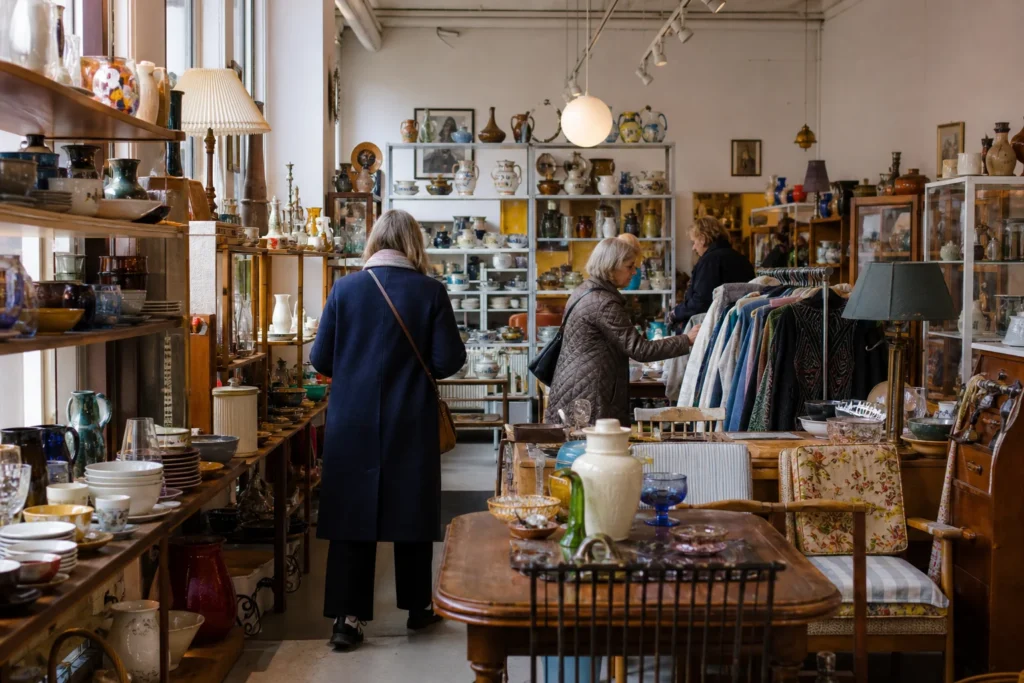
On any given Saturday, the shelves at Svalernes Loppemarked told a story of sustained effort. Candlesticks stood next to mismatched vases. Stacks of crockery shared space with retro electronics and folded vintage coats. None of it was styled in the boutique sense, but the stock felt genuinely alive — because it was. Around twenty volunteers moved through the week collecting, sorting and restocking, which meant the shelves looked different from one Saturday to the next. That ongoing cycle of curation was the market's quiet secret, and it gave regulars a real reason to return.
The physical setting matched the modest, purposeful character of the operation. Svalernes occupied an indoor space near the point where Nørrebro, Frederiksberg and Bispebjerg converge — a part of Copenhagen with its own neighbourhood texture, away from the city's more tourist-facing flea market spots. The indoor format was not incidental. Copenhagen's Saturdays can be cold and wet, and the covered setting made Svalernes a reliable fixture regardless of whatever the weather was doing outside. Browsers arrived knowing they would actually be able to browse.
The merchandise divided naturally into two registers. On one side sat the domestic and decorative: kitchenware, vases, candlesticks, crockery, and the kind of everyday objects that accumulate character over decades of use. On the other sat goods with a more collector-adjacent appeal — vintage clothing, retro electronics, and the occasional piece of furniture that arrived with no particular fanfare but left with a grateful new owner. The volunteer restocking cycle kept both registers fresher than most charity-run markets manage.
Pricing sat firmly at the accessible end of the scale. This reflected the market's community mission rather than any attempt to chase collector-market margins. Casual browsers and neighbourhood regulars found it easy to spend modestly and leave satisfied. Serious collectors hunting rare or high-value pieces would likely have paired a visit here with stops at other Copenhagen markets — Svalernes was never positioned as a place for that kind of hunting, and it never needed to be.
Every sale supported development projects benefiting women and children in Bangladesh and India. That purpose was present but not performed. It lived in the structure of the place — in the volunteers who chose to spend weekday afternoons sorting donations, in the unhurried atmosphere on the shop floor, and in the conversations that happened naturally between browsers and the people staffing the stalls. Commercial secondhand markets rarely generate that kind of social texture. Svalernes did, consistently.
For Copenhagen's secondhand scene, the market occupied a specific and genuinely useful position. It was not a sprawling outdoor brocante or a curated vintage destination. It was a purposeful, modestly scaled indoor market where good secondhand finds and a real charitable cause sat comfortably alongside each other. Visitors tended to leave with something — a piece of crockery, a coat, a lamp — and with the particular satisfaction of knowing the morning's small expenditure had gone somewhere worth going.
Frequently Asked Questions
Q: What kind of secondhand goods did Svalernes Loppemarked typically stock?
A: The market carried a broad mix across two natural registers: everyday domestic objects such as kitchenware, vases, candlesticks and crockery on one side, and goods with more collector-adjacent appeal — vintage clothing, retro electronics and the occasional piece of furniture — on the other. Around twenty volunteers collected, sorted and restocked throughout the week, which kept both sides fresher than most charity-run markets manage.
Q: Was Svalernes Loppemarked a good spot for bargain hunting, or was it aimed at serious collectors?
A: It sat firmly at the accessible, affordable end of the scale — a reflection of its community mission rather than any attempt to chase collector-market pricing. Casual browsers and neighbourhood regulars found it easy to spend modestly and leave satisfied. Visitors hunting rare or high-value pieces would likely have paired it with other Copenhagen markets.
Q: Why did the indoor setting matter for this market?
A: Copenhagen's Saturdays can be cold and wet, and Svalernes occupied a covered indoor space where the Nørrebro, Frederiksberg and Bispebjerg neighbourhoods converge. That indoor format made it a reliable destination regardless of the weather — browsers arrived knowing they could actually browse without battling the elements.
Q: Did purchases at Svalernes Loppemarked support a charitable cause?
A: Yes. Every sale went toward development projects benefiting women and children in Bangladesh and India. The mission was real but not performative — it lived in the structure of the place and in the volunteers who chose to spend their weekday afternoons sorting donations rather than in any prominent in-store messaging.
Q: Is Svalernes Loppemarked still open?
A: The market is permanently closed and is preserved here as an editorial archive of the venue and its character.
Marketplace Highlights







Add a review