


Region
Biggleswade Antique & Vintage Fair is permanently closed. The event is retained as an editorial archive of the venue and its distinctive character.
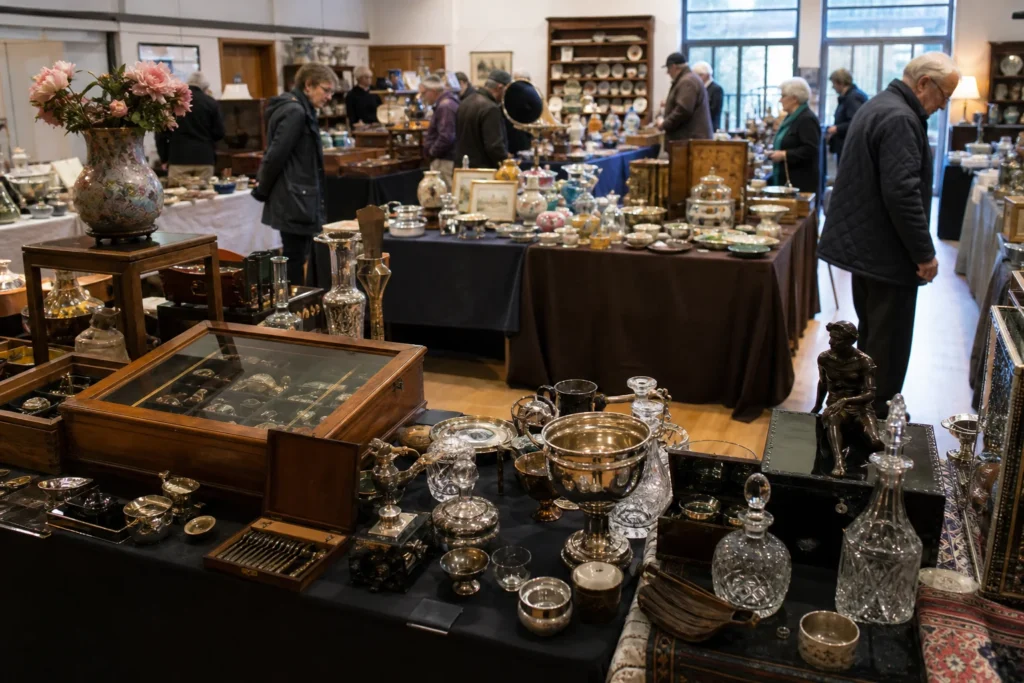
The Weatherley Centre in Biggleswade, Bedfordshire, made an unlikely but entirely fitting home for a well-run antique and vintage fair. The hall had the right proportions — large enough to accommodate around 45 dealers in comfort, compact enough that a visitor could work every stall without losing momentum. The Biggleswade Antique & Vintage Fair never tried to be a sprawling regional expo. It aimed instead for focus and quality, and that restraint was much of its appeal.
The fair ran several times a year, giving regulars a reliable rhythm. The same team organised the Potters Bar Antique & Vintage Fair in Hertfordshire, and the two events shared a similarly edited, purposeful character. Biggleswade drew a dealer mix that changed between events, which meant returning visitors consistently encountered fresh stock rather than the same familiar pieces shuffled into different positions.
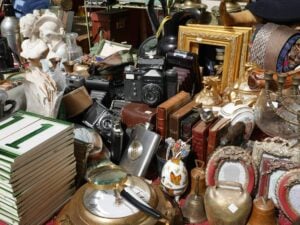
What those dealers brought covered serious ground. Silverware and jewellery attracted steady attention, ranging from delicate individual pieces to full jewellery box collections. Cameras, cigarette cases and vintage textiles appeared alongside a reliable rotation of decorative objects — teapots, vases, framed artwork and the kind of small curiosities that resist easy categorisation. Furniture turned up at most events, and the smaller display tables rewarded patient browsers with the occasional genuinely unusual find. The stock reflected the dealers' knowledge rather than a grab-bag approach, and that difference was noticeable.
Browsing at Biggleswade felt unhurried. Forty-five dealers is a manageable count — enough variety to sustain real interest, not so many that a visitor ended the day exhausted and half-blind. The dealers themselves added to the experience. They were approachable and plainly knowledgeable, ready to discuss provenance without making casual browsers feel they had wandered into a specialist auction house. Card payment machines were available across the fair, which removed one of the routine frustrations of smaller antique events and made it easy to act quickly when something caught the eye.
The Weatherley Centre's café gave the fair a particular quality of day. Early arrivals found freshly made bacon and sausage rolls waiting, and a proper lunch menu gave shoppers a reason to extend their visit well past noon. On a cooler Bedfordshire morning, that provision transformed what might have been a quick browse into a genuinely leisurely outing.
Biggleswade suited two quite different types of visitor equally well. Collectors with a clear focus — silverware, cameras, textiles — could move efficiently through the dealer lineup. Browsers with no fixed agenda found the atmosphere relaxed and the stock varied enough to sustain a full morning. The fair built a small but loyal following precisely because it delivered a consistent, honest experience without overreaching. That kind of reliable, human-scale antique event is harder to find than it sounds, and Biggleswade was a good example of one done well.
Frequently Asked Questions
Q: What kind of antiques and vintage items did dealers typically bring to Biggleswade?
A: The dealer mix covered a broad range. Silverware, jewellery, jewellery boxes, cameras and cigarette cases drew steady collector interest, alongside vintage textiles, framed artwork and decorative objects such as vases and teapots. Furniture appeared at most events, and the smaller display tables often turned up genuinely unusual finds. The stock reflected dealers' knowledge rather than a general clearance approach.
Q: How large was the fair, and could a visitor realistically see everything in one visit?
A: Around 45 dealers traded at each event, which proved to be a well-judged scale. The Weatherley Centre's layout meant a visitor could work through every stall without fatigue — large enough for real variety, compact enough that nothing got missed.
Q: Did the stock change between events, or did regular visitors tend to see the same pieces?
A: The dealer mix rotated between events, so repeat visitors consistently encountered fresh stock rather than familiar pieces moved into different positions. That rotation gave the fair a genuine reason to return across its run.
Q: Was there somewhere to eat at the Weatherley Centre during the fair?
A: The Weatherley Centre café was open throughout, with bacon and sausage rolls available for early arrivals and a proper lunch menu that gave visitors a reason to stay well into the afternoon. That provision shaped the fair into a full-day outing rather than a quick browse.
Q: Is the Biggleswade Antique & Vintage Fair still running?
A: The fair is permanently closed. The venue and event are documented here as an editorial archive of its character and history.
Marketplace Highlights







Add a review