


Region
Recyclerama is permanently closed. The market is retained as an editorial archive of the venue and its distinctive character.
A market that ran only a handful of times each year did something that weekly street fairs rarely manage: it concentrated attention. Collectors who knew Recyclerama's calendar treated each edition as an event, not an errand. That scarcity worked in the buyer's favour. Vendors arrived with genuine stock rather than overflow, and the rooms filled with people who had come specifically to find something.
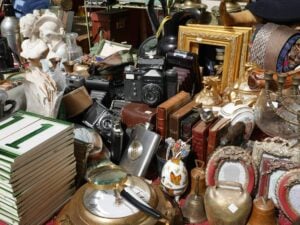
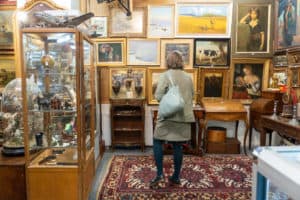
The indoor pavilions set the tone. Dedicated antique hunters moved through halls packed with vintage jewellery, antique china, ornamental glassware, oil paintings, and decorative rugs. These were not clearance tables. Pavilion vendors leaned toward curated collections, the kind assembled over years rather than cleared from a garage over a weekend. An experienced collector could read that difference quickly, and it made the indoor space worth working methodically from end to end.
Specialist interest found its place here too. Model planes and collectable vintage cars drew a quieter constituency — niche hunters who might bypass a clothing rack without slowing but would stop dead in front of a particular diecast or a mid-century bonnet. The market held both registers without one crowding out the other. Textiles, rugs and ornaments sat alongside books and clothing, giving less specialist visitors a full hour of browsing without crossing into territory that felt too trade-oriented.
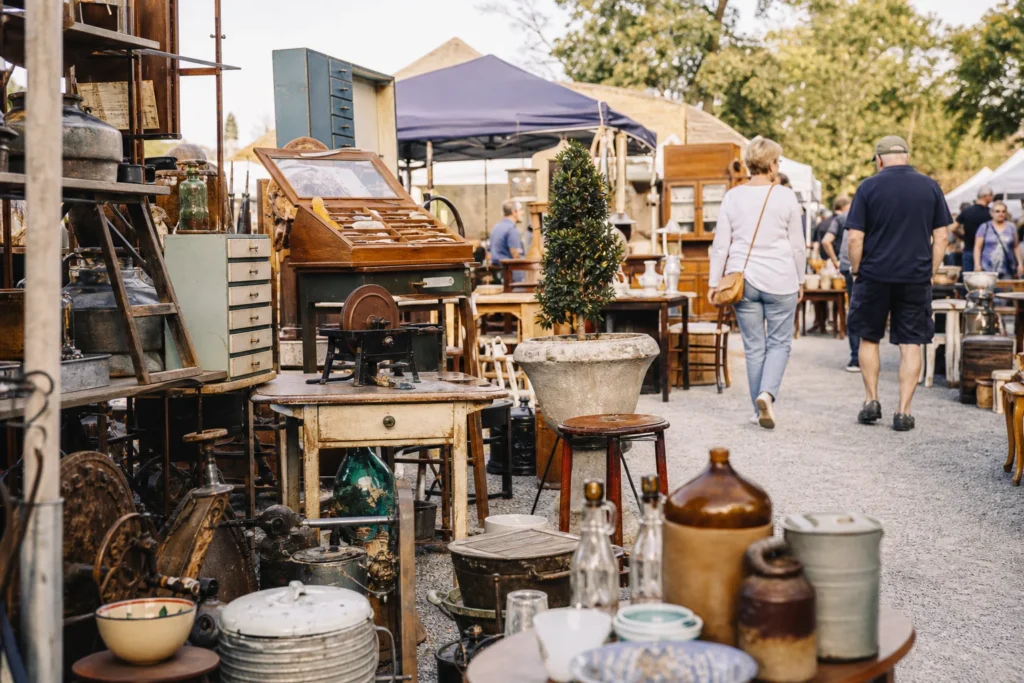
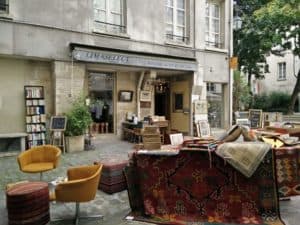
The outdoor section played differently. Some stalls belonged to seasoned dealers extending their indoor stock; others were clearly household clearances, with no particular curation and no particular logic to what appeared. That unpredictability was not a weakness. A patient walk through the outer stalls could produce exactly the kind of find that organised pavilion shopping rarely delivers — something priced by someone who didn't know quite what they had.
Away from the stalls, the market carried a register that was plainly communal. The atmosphere was known for live buskers moving through the site, food stalls scattered at intervals, and a charitable dimension that gave the day a broader purpose. It felt less like a trade event and more like a Saturday occasion that happened to involve serious collecting alongside the more casual browsing.
Within Queensland's market scene, Recyclerama occupied a specific and recognisable position. Its founding impulse — celebrating recycling and reducing waste — gave it a coherent identity that held across editions and across the range of its vendor mix. That combination of environmental purpose, specialist merchandise and genuine community scale made it stand apart from general flea markets and from purely trade-oriented antique fairs. The record remains a useful reference point for anyone researching Queensland's collecting culture and the kind of periodic market event that built loyal audiences through quality and restraint rather than size alone.
Frequently Asked Questions
Q: What kind of market was Recyclerama, and who did it suit most?
A: Recyclerama was a Queensland antique and vintage market with a clear identity built around recycling and community purpose. It suited serious collectors — particularly those hunting vintage jewellery, antique china, glassware, oil paintings and decorative rugs — as well as casual browsers drawn by clothing, books, textiles and a lively outdoor section. Specialist niche collectors interested in model planes and collectable vintage cars also found it worth the trip.
Q: How did the indoor pavilions differ from the outdoor stalls?
A: The indoor pavilions leaned toward vendors presenting assembled collections rather than general clearance stock — a distinction experienced buyers could read quickly. The outdoor section was less predictable: seasoned dealers extended their indoor range alongside household clearances where pricing and selection followed no particular logic. Patient browsers willing to work the outer stalls methodically often turned up finds that the more organised pavilion shopping rarely produced.
Q: Did Recyclerama run regularly throughout the year?
A: The market ran only a handful of times each year, which shaped its character significantly. That limited schedule concentrated both vendors and buyers, and regulars treated each edition as a planned occasion rather than a casual drop-in. Word travelled fast among collectors when dates were announced. Check archived Queensland event listings or local collector communities for any historical schedule information.
Q: Was Recyclerama purely a buying-and-selling event?
A: Not entirely. Live buskers moved through the site, food stalls were scattered at intervals, and local charities benefited from the event. That combination gave Recyclerama a communal register that sat alongside the serious collecting — the atmosphere was unhurried and friendly rather than trade-floor intensive.
Marketplace Highlights







Add a review