


Region
Washington Antiques Fair is permanently closed. the event is retained as an editorial archive of the venue and its distinctive character.
the event is retained as an editorial archive of the venue and its distinctive character.
The Washington Antiques Fair traced its roots back to 1978, when a family of organizers set up a modest Sunday market on an idle race track. Just 25 vendors spread across the infield that first day. That hands-on, family-run character shaped everything that followed, and the same family continued to run the fair as it grew into one of the most recognizable outdoor antiques events in western Pennsylvania.
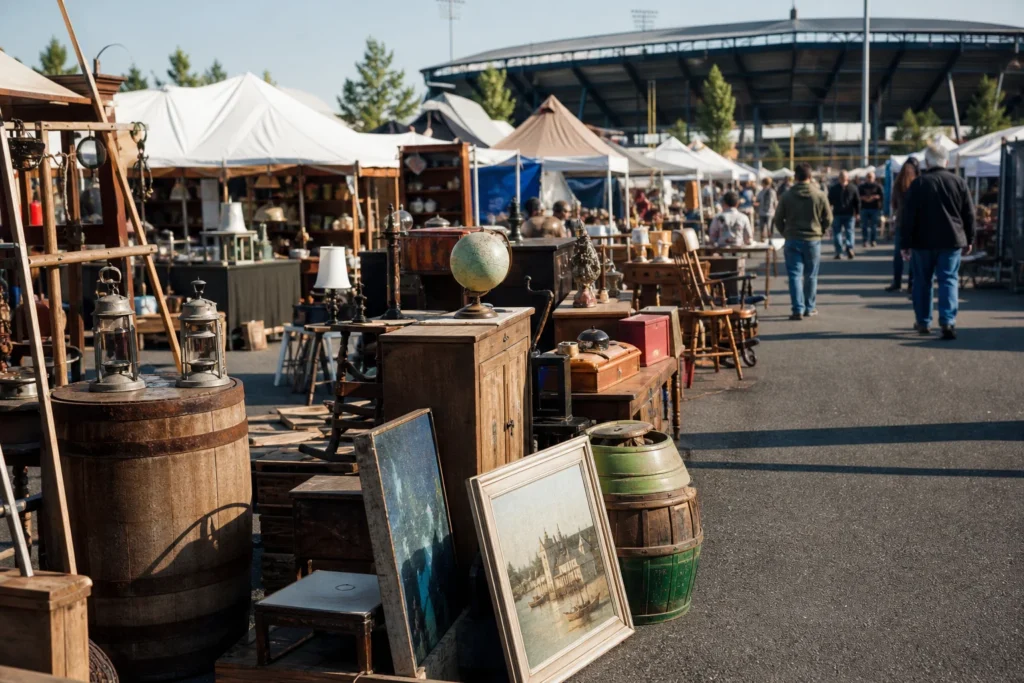
The venue eventually moved to a large paved lot surrounding Wild Things Park, home of the Washington Wild Things minor league baseball team in Washington, PA. The open-air stadium setting gave vendors genuine room to spread out. At its height, the fair drew hundreds of dealers, and the scale of the lot meant the market never felt compressed or rushed.
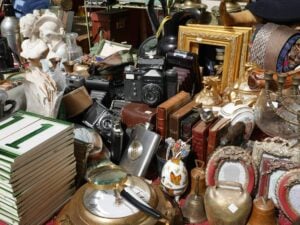
The merchandise mix was genuinely broad. Furniture, antique clocks, ornamental glass and vintage jewellery formed the anchor of the fair's antiques trade. Serious collectors arrived early and moved methodically through those sections, knowing the stock changed from one Sunday to the next.
A second current ran through the market in popular culture and media finds. Vinyl records, comics, movie props, sports collectibles and entertainment memorabilia drew a different kind of hunter — one looking less for heirlooms than for pieces connected to a specific era, team or film. Mid-century décor and vintage clothing bridged the two worlds, appealing to buyers from both camps. The range was part of the fair's identity, not a sign of lack of focus.
Dealers here were engaged and knowledgeable. Prices were rarely fixed, and a direct conversation with a vendor often led to a reasonable deal. The atmosphere rewarded preparation — arriving with a sense of what you were after made the sprawl manageable — but the market regularly surprised people who came in without a list.
The fair ran rain or shine, a practical note that long-time visitors took seriously. An admission fee applied at the gate, and early entry was available for buyers who wanted first access before the crowds thickened in the afternoon. For piece-hunters with a target in mind, that option made a real difference.
One point of clarification worth preserving: the Washington Antiques Fair was not the same event as the Washington County Antique Fair, a separate monthly market in upstate New York north of Albany. The two shared nothing beyond a name fragment. This fair was firmly rooted in Washington, Pennsylvania, southwest of Pittsburgh, and drew its audience primarily from the greater Pittsburgh region and the wider tri-state area.
For western Pennsylvania collectors, the fair occupied a distinctive place. Its longevity reflected consistent vendor quality and a loyal returning crowd — a market that earned its reputation over decades of Sunday mornings on the lot.
Frequently Asked Questions
Q: Was the Washington Antiques Fair the same event as the Washington County Antique Fair?
A: No. The two are entirely separate events with no connection. The Washington Antiques Fair was based in Washington, Pennsylvania, southwest of Pittsburgh, and drew primarily from the greater Pittsburgh region and the wider tri-state area. The Washington County Antique Fair is a different market located in upstate New York, north of Albany.
Q: What kinds of antiques and collectibles did the fair typically carry?
A: The range was genuinely broad. Anchor pieces included antique clocks, vintage jewellery, furniture and ornamental glass. A strong second current ran through popular culture finds — vinyl records, comics, sports collectibles, movie props and entertainment memorabilia. Mid-century décor and vintage clothing bridged both worlds, making the fair useful for serious collectors and casual browsers alike.
Q: Were prices negotiable at the Washington Antiques Fair?
A: Yes. Dealers were generally engaged and knowledgeable, and prices were not fixed. A direct conversation with a vendor regularly led to a reasonable deal, particularly for buyers who arrived with a clear sense of what they were after.
Q: How did early entry work, and was it worth it for serious collectors?
A: The fair offered early entry for buyers who wanted first access before afternoon crowds thickened. For collectors hunting specific pieces — especially in the antique clocks, furniture or vintage jewellery sections, where stock changed week to week — arriving early made a practical difference.
Q: Is the Washington Antiques Fair still operating?
A: The Washington Antiques Fair is permanently closed. It is retained here as an editorial archive reflecting the fair's history and character across more than four decades as one of western Pennsylvania's most recognizable outdoor antiques events.
Marketplace Highlights








Add a review