

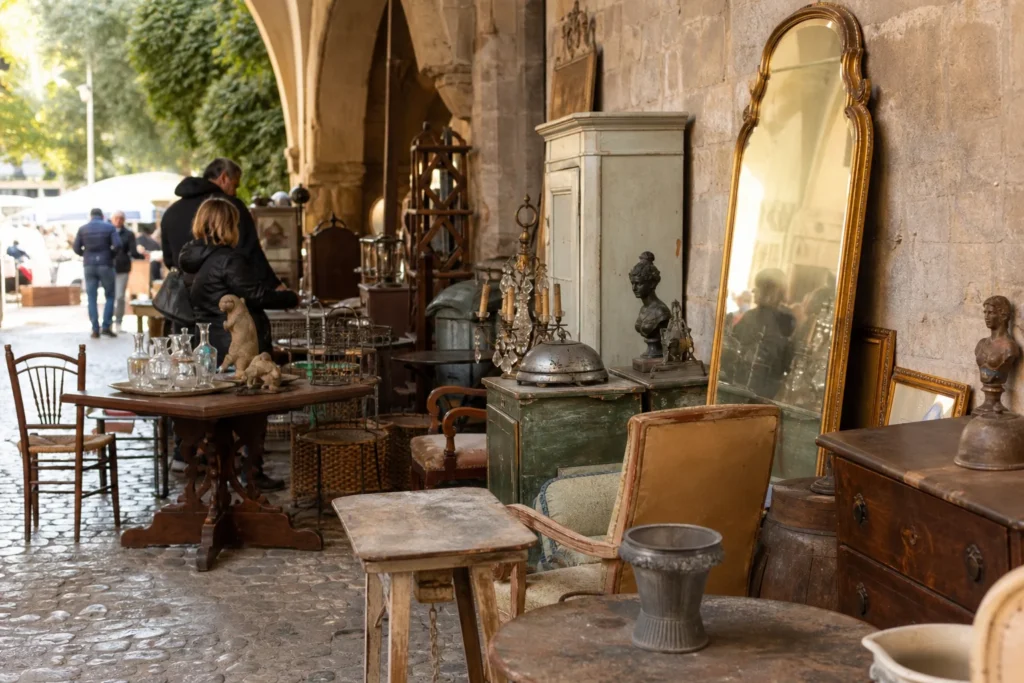

Browsing Chairish feels closer to a flea market than most online shopping does. You're hunting through a large, constantly changing inventory. You spot something specific — a mid-century credenza, a Brutalist lamp, a hand-knotted rug from a particular region — and you make an offer. The platform is built for that kind of deliberate, curious collecting, and it shows.
Chairish is a US-based online marketplace specialising in vintage and antique furniture, art and home décor. The inventory is broad: furniture anchors the offer, but lighting, tabletop and bar, rugs, garden décor, and bed and bath all have dedicated sections. Shoppers can filter by style, maker or region. For browsers without a fixed target, the New Arrivals feed, staff picks and featured collections give useful starting points. Return visits tend to reward patience — new pieces arrive daily, and the inventory rarely feels static.
The offer system is the most market-like feature Chairish has. Buyers can propose a price directly to sellers, with a floor set at a percentage of the listed price. Anyone who has negotiated at a market stall will find the dynamic familiar. Individual product pages also carry Q&A threads visible to all shoppers, so the conversation between buyer and seller builds confidence in a piece before any money moves. For buyers close to a seller geographically, local pickup removes shipping costs entirely.
Serious collectors get a practical edge from Chairish's search-alert function. You can follow specific search terms — a maker's name, a style period, a particular object type — and receive notifications when matching items appear. On a platform with this much inventory turning over, that tool transforms a passive browse into an active hunt.
The seller side of Chairish is shaped by tiered commission plans and listing guidance that help items gain visibility with a design-literate audience. That selectivity matters to buyers too. The editorial standards Chairish applies to presentation and tagging keep the quality of what appears there noticeably higher than generalist resale platforms.
Chairish frames the whole marketplace as an argument against disposable consumption. The company offsets estimated carbon emissions from US domestic shipping, and the broader philosophy — that a well-made object deserves more than one owner — connects the platform directly to the resale ethic that drives physical flea markets and brocantes. For collectors whose habit already leans that way, Chairish offers a digital home that shares the same instinct: find it, negotiate, keep it in use.
Frequently Asked Questions
Q: How does buying on Chairish work if you want to negotiate on price?
A: Chairish builds offer-making directly into the platform. You can propose a price to the seller on any item, with a floor set at a percentage of the listed price — a dynamic that feels familiar to anyone used to haggling at a market stall. Sellers respond directly, and the deal moves from there.
Q: What kinds of things can you find on Chairish?
A: Furniture and art form the core of the inventory, but Chairish also carries lighting, rugs, tabletop and bar, garden décor, and bed and bath. The range covers most of what a serious home collector would be hunting across, and new pieces arrive daily, so return visits consistently surface fresh material.
Q: Is there a way to track down a specific maker, style or period without checking back constantly?
A: Yes — Chairish lets you follow saved searches and receive alerts when matching pieces appear. For collectors hunting a particular designer name, furniture period or regional style across a large and constantly turning inventory, it effectively turns passive browsing into an active watch list.
Q: Can you pick up locally to avoid shipping costs?
A: Local pickup is available when a buyer is close to a seller geographically. It removes shipping costs entirely and can also give you the chance to inspect a piece before it changes hands — useful for larger furniture or anything where condition matters most.










Add a review