

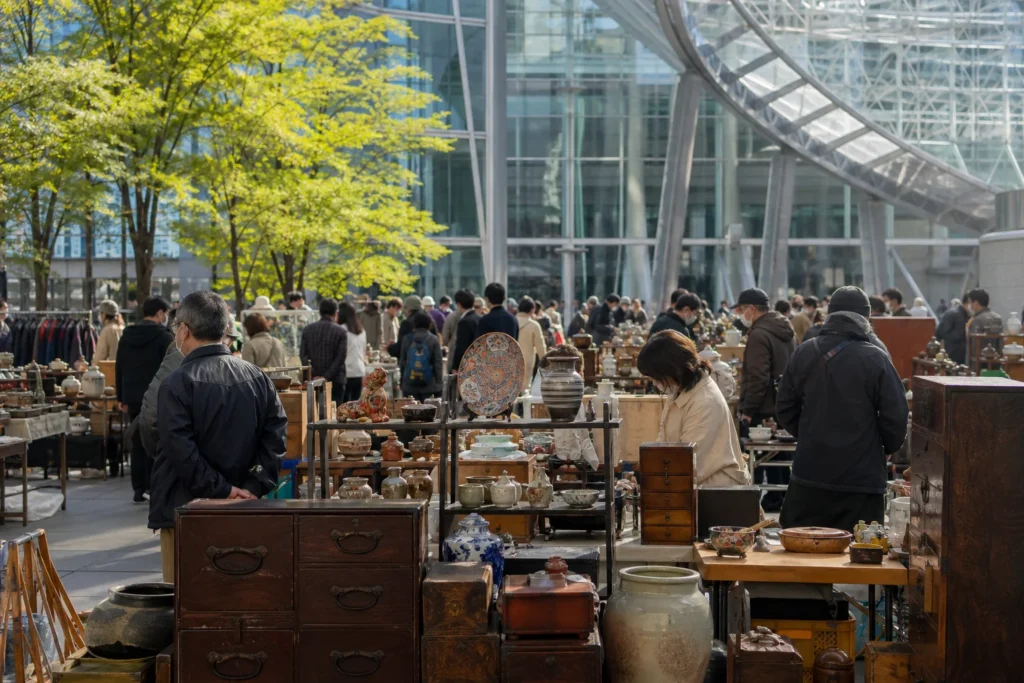

The Oedo Antique Market (大江戸骨董市) occupies the outdoor plaza of the Tokyo International Forum in Marunouchi. It runs on the first and third Sunday of each month, from 9:00 in the morning until 4:00 in the afternoon. Rain cancels the event, so it's worth a quick check before making the trip. The setting alone earns it a look: antique browsing beneath the Forum's cantilevered glass-and-steel canopy is unlike any other market experience in Tokyo.
On a typical day, more than 250 dealers spread across the plaza. The range is broad but genuinely specialist. You'll find vendors focused on Edo-period ceramics and lacquerware, others dealing in hand-stitched vintage kimono and fine textile, and stalls given over entirely to antique furniture, old coins, or retro printed ephemera. Mid-century Western design sits a few paces from obscure Japanese collectibles. Most sellers know their stock well and enjoy talking about it.
The atmosphere is unhurried. Vendors tend toward conversation rather than hard selling. Polite haggling is part of the culture, particularly if you're buying more than one piece or showing genuine interest in a seller's speciality. The mix of Japanese and international specialisms means serious collectors and casual browsers both find reasons to linger.
Arrive early if you're after a specific category. The best ceramics, textiles and furniture move quickly. Bring cash, as it remains the reliable payment method at markets like this. Even if nothing catches your eye immediately, the scale of the market rewards patience — things tucked at the back of a stall or beneath a cloth often turn out to be the most interesting.
The Oedo Antique Market suits collectors of Japanese decorative arts, design-conscious travellers, and anyone with a free Sunday in central Tokyo. The combination of specialist seller quality, genuine breadth of stock, and an architecturally striking venue makes it one of the more compelling antique markets in the city. It is also, by scale, one of the largest open-air antique fairs in Japan.
Yurakucho station sits approximately 160 metres away, served by subway lines S and Y and train lines JK and JY, making it the most convenient arrival point. Tokyo station is roughly 130 metres in the other direction, with connections across the JR network including lines JC, JK, JY, JO and the Chuo Rapid Line. The bus stop 東京国際フォーラム前, about 80 metres from the venue, serves several Tokyo metropolitan bus routes including 都03, 都04, 都05-1 and 都05-2. The market is easy to fold into a wider day in central Tokyo.
Frequently Asked Questions
Q: When does the Oedo Antique Market take place at the Tokyo International Forum?
A: The market runs on the first and third Sunday of each month, from 9:00 in the morning until 4:00 in the afternoon. It is cancelled in wet weather, so check before making a special trip.
Q: What kinds of things can you buy here?
A: The 250-plus dealers cover a genuine range: Edo-period ceramics and lacquerware, hand-stitched vintage kimono and textiles, antique furniture, old coins, retro printed ephemera, and mid-century Western design. Most sellers specialise in a specific area rather than trading across categories.
Q: Is haggling acceptable?
A: Polite negotiation is part of the culture here, particularly if you're buying more than one piece or showing real interest in a seller's speciality. Hard bargaining is not the norm; conversation tends to come first.
Q: What's the best way to get here?
A: Yurakucho Station is the closest stop at around 160 metres, served by the Tokyo Metro Yurakucho and Shinjuku lines as well as JR Keihin-Tohoku and Yamanote lines. Tokyo Station is about 130 metres in the other direction with broad JR connections. Several Tokyo metropolitan bus routes also stop directly outside the Forum.
Q: Should I bring cash?
A: Cash is the reliable payment method at markets of this kind. Come prepared, and arrive early if you have a specific category in mind — the best ceramics, textiles and furniture tend to move quickly.
Marketplace Highlights








Ena Venegas
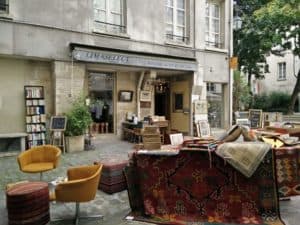
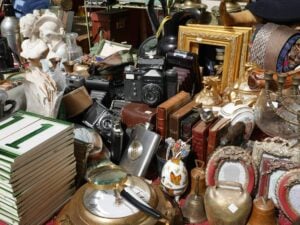
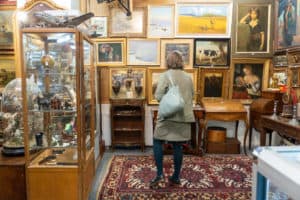
19th November 2015 at 18:28This market sells antiques, crafts, knick-knacks, used items and all sorts of things you thought you didn’t need but can’t quite resist. I always enjoy the many pre-loved obi on sale for as low as 500 yen. They can be converted to beautiful table runners or bedspread accents. Lots of sellers and a fun and casual atmosphere. You never know what treasure you’ll unearth. Open alternate Sundays throughout the year.
Carlton Holland
6th January 2016 at 08:49Great Sunday market if you’re looking for traditional or unusual Japanese goods. Both locations (Tokyo International Forum and Yoyogi Park) are easily accessible by train. There are definitely a lot more tourists than in the past, but prices are still decent and many vendors speak a little English. It’s a great place to pick up used kimono, obi, dishes, knick-knacks, furniture, etc.
Sheryl Barnes
25th May 2016 at 04:23This market is large and has a lot of local Japanese artifacts, we purchased an antique padlock, a second hand Kimono and some trinkets, They will bargain but not excessively, by about lunchtime it got really crowded and we found it difficult to find a place to eat as all were full. If you like markets and they are hard to find in Tokyo this one is worth the effort
Brent Peterson
2nd July 2016 at 16:09If you’re a fan of teapots, antiquing and flea markets… this is definitely the place for you! Make sure you check the schedule ahead of time, as the market only runs a few Sundays a month. We managed to pick up a beautiful antique sake jug. Great for finding souvenirs that are a little bit unique.