


When an antique dealer builds a marketplace from scratch, the priorities look different from the start. The Hoarde launched in 2011 with that founding logic baked in — not a general commerce platform adapted for vintage goods, but a tool designed by someone who had already spent time on both sides of a dealer's table. That background shapes everything from the fee structure to the way individual listings are composed.
The dealer model here cuts against the grain of most online selling platforms. Sellers pay a flat monthly membership fee rather than a commission on each transaction. That means a dealer's margins stay predictable, and a buyer always knows they are dealing with someone who has been selectively vetted rather than simply signed up. Membership is not automatic. The Hoarde reviews applicants, and not all are accepted. That gatekeeping may be the most important trust mechanism on the platform — it keeps standards consistent without requiring buyers to assess each seller independently from scratch.
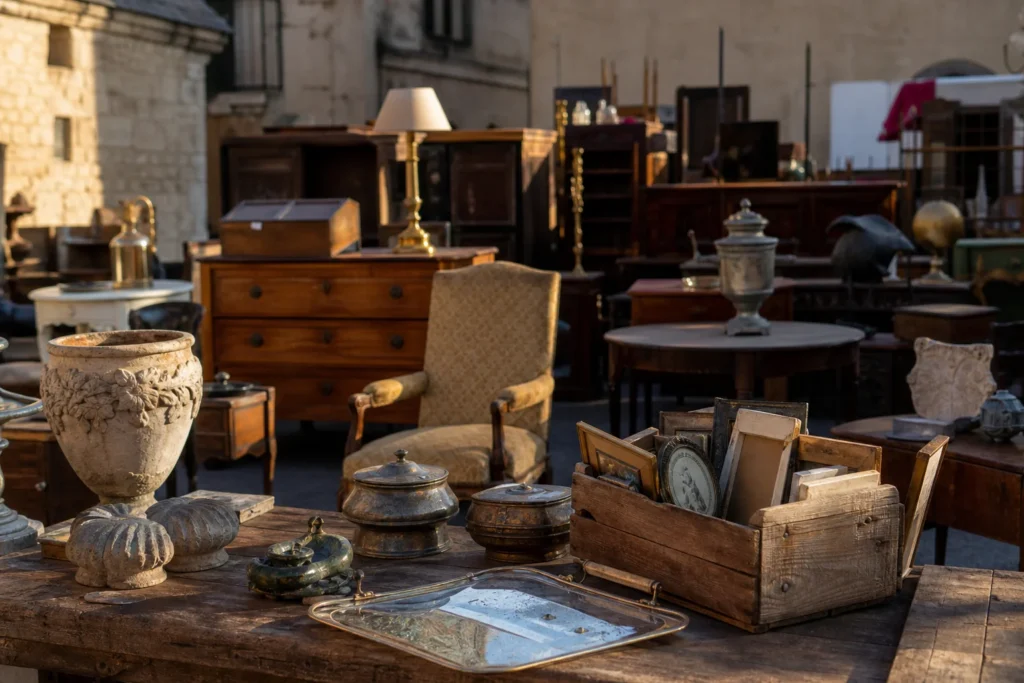
Stock covers a wide range of periods and categories, refreshed daily so that returning visitors consistently find new material. Furniture and architectural salvage attract serious buyers hunting statement pieces. Lighting, fireplace items, and rugs draw decorators and period-home enthusiasts. For collectors with more specialist tastes, the platform also holds clocks, Asian and Oriental pieces, candlesticks, wall hangings, mannequins, and office furniture. The daily refresh is not incidental — it means the inventory stays genuinely active rather than settling into the static feel that can make smaller marketplaces seem dormant.
Photography on The Hoarde is treated as part of the editorial standard. Listings show items from multiple angles at high resolution, and each carries a detailed description with historical context where the provenance warrants it. That combination removes much of the uncertainty that makes buying antiques online feel like a gamble. A linked tab beside each item points toward similar pieces, which suits collectors working a particular period or style and removes the need to restart searches from scratch every time.
Registered buyers can follow individual dealers and set up daily notifications for new stock. For anyone tracking a specific trader's inventory over time, that feature turns the platform into something closer to a standing alert service than a passive browsing experience. The marketplace is accessible around the clock, so the daily updates can be reviewed whenever a collector's schedule allows.
The Hoarde suits buyers who find high-volume generalist platforms more exhausting than useful. The curation is consistent, the dealer community is maintained to a standard rather than simply grown, and the photography makes remote purchasing feel less like a leap of faith. For dealers, the no-commission model rewards volume without penalising success. The platform's stated ambition has always been to be one of the better online antique marketplaces rather than simply one of the biggest — and for collectors who know the difference, that distinction matters.
Frequently Asked Questions
Q: Do sellers on The Hoarde pay commission on each sale?
A: No. Dealers pay a flat monthly membership fee rather than a percentage of each transaction. That structure means buyers are dealing with traders whose costs are predictable and transparent, rather than sellers adjusting prices to absorb per-sale commission charges.
Q: How does The Hoarde vet its dealers?
A: Membership is selective — applicants are reviewed and not all are accepted. That gatekeeping gives buyers a baseline of confidence about who they are dealing with, without having to assess each seller independently from scratch.
Q: How often does stock change on The Hoarde?
A: Inventory updates daily, so returning visitors consistently find new material. The platform operates around the clock, meaning collectors can check fresh stock whenever their schedule allows rather than being tied to fixed sale days.
Q: Can I track a specific dealer's new arrivals?
A: Yes. Registered buyers can follow individual dealers and set up daily notifications for new stock, which effectively turns the platform into a standing alert service for traders whose inventory you want to monitor over time.
Q: What kinds of antiques and vintage pieces can I find here?
A: The range is broad but curated. Furniture, lighting and architectural salvage attract buyers hunting statement pieces, while clocks, rugs, candlesticks and wall hangings suit collectors working a particular period or decorative style. More specialist categories include Asian and Oriental pieces, fireplace items, mannequins and office furniture.








Add a review