


Few institutions in the collecting world carry the weight that Sotheby's does. It operates at the institutional tier — the level where authentication is exhaustive, specialist knowledge runs deep, and individual lots can define an entire sale season. That authority traces back to 1744, making it one of the oldest continuously operating auction houses on earth. The scale of what it covers today would have been unimaginable to its founders: more than 50 categories, spanning Islamic art, antique coins and medals, rare books and manuscripts, English and Continental furniture, vintage toys, and high-end handbags and accessories. That breadth is genuinely unusual. Very few platforms bring Mughal manuscript illumination and a Hermès Birkin into the same institutional framework.
Buyers engage with Sotheby's through two main routes. The auction channel runs continuously across the calendar year, with live and online sales cycling through the schedule at a regular pace. For collectors who plan ahead and enjoy the competitive rhythm of bidding, this remains the core experience. A second route suits those who want to move faster: an immediate-purchase marketplace runs continuously, letting buyers acquire objects without waiting for a sale date. Both channels draw from the same high-calibre inventory — rare, historically significant, often museum-quality material. Neither suits impulsive or casual shopping, but serious collectors will find the depth of available objects genuinely compelling.
Sellers approach Sotheby's through four distinct channels: auction consignment, private sale, buy-now listing, and placement through physical locations. Each suits a different type of material and a different seller priority. What cuts across all four routes is the authentication and research process. Objects submitted for consignment go through rigorous vetting before they reach buyers. That process is both a reputation signal and a practical benefit — it protects sellers from undervaluation and gives buyers confidence in what they acquire. The global specialist network plays an active role throughout, and that depth of expertise is one of the most compelling reasons serious consignors return to Sotheby's repeatedly.
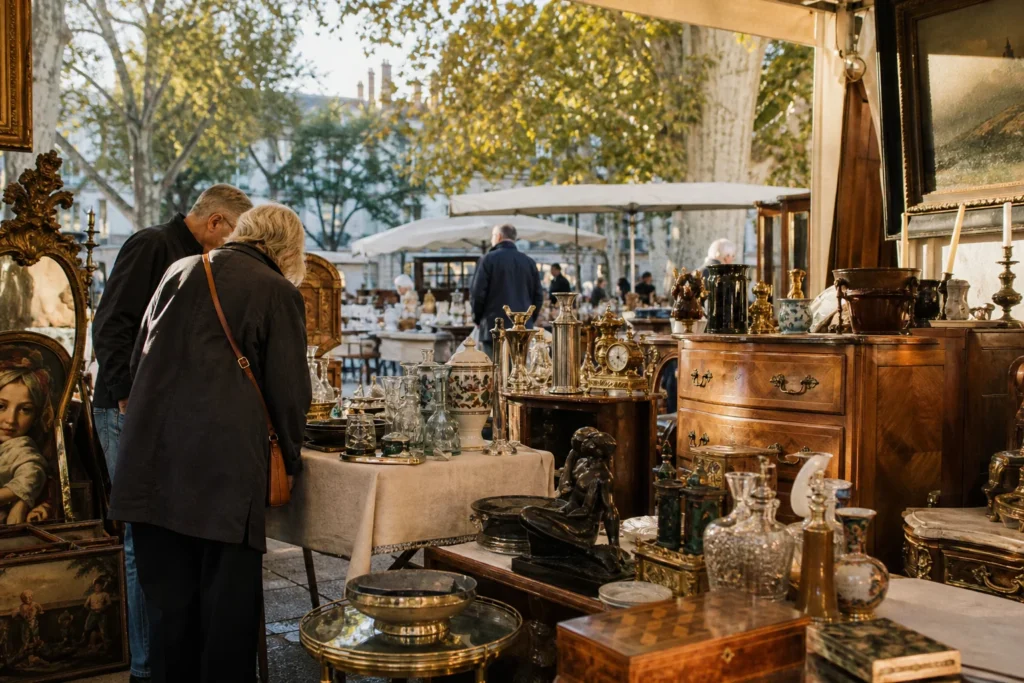
Within the broader collector ecosystem, Sotheby's occupies a specific and clearly defined position. It sits well above regional sale rooms and general online auction platforms in terms of authentication standards, specialist oversight, and the calibre of material that moves through its sales. For collectors who have built experience at flea markets, brocantes, antique fairs and regional auctions, and who are ready to engage at an institutional level, it represents a natural and important next step. The specialist knowledge available across departments is unusually deep, and each sale carries genuine global reach.
Collectors with a significant piece to place — or a real gap to fill at the highest level of the market — will find Sotheby's the most authoritative route available. The online marketplace operates around the clock, making it accessible regardless of time zone. For anyone serious about buying or selling at the top end of the antiques and collecting world, understanding how Sotheby's works is simply part of the education.
Frequently Asked Questions
Q: What types of objects does Sotheby's sell, and is it relevant beyond fine art?
A: The range is broader than many collectors expect. Sotheby's operates across more than 50 categories, including Islamic art, antique coins and medals, rare books and manuscripts, English and Continental furniture, vintage toys, and high-end handbags and accessories. Collectors working well outside traditional fine art will find specialist departments that speak directly to their field.
Q: Do I have to wait for an auction date to buy something?
A: No. Alongside the regular auction calendar — which runs live and online sales continuously throughout the year — Sotheby's also operates an immediate-purchase marketplace where objects can be acquired without bidding or waiting for a sale date. The auction route suits collectors who plan ahead; the buy-now channel suits those who want to move faster on a specific want.
Q: What should I do to prepare before bidding in a sale?
A: Catalogue notes, condition reports and provenance records are the core tools. Buyers who read these carefully before a sale tend to navigate the bidding process with considerably more confidence. Sotheby's specialist network is also active across departments, and reaching out to the relevant specialist ahead of a sale is a practical step for serious bidders.
Q: How does Sotheby's fit into the broader collector journey for someone coming from flea markets and antique fairs?
A: Sotheby's sits at the institutional tier — above regional sale rooms and general online auction platforms in terms of authentication standards, specialist oversight and the calibre of material on offer. For collectors who have built experience at markets and fairs and are ready to engage with museum-quality or historically significant objects, it represents a natural next step rather than an entirely different world.
Q: What options do sellers have if they want to consign or place an object?
A: Sotheby's offers four routes: auction consignment, private sale, buy-now listing, and placement through its physical locations. Each suits different types of material and different seller priorities. Objects going through consignment are subject to thorough authentication and research review before reaching buyers, which benefits both sides of the transaction.










Add a review