


Region
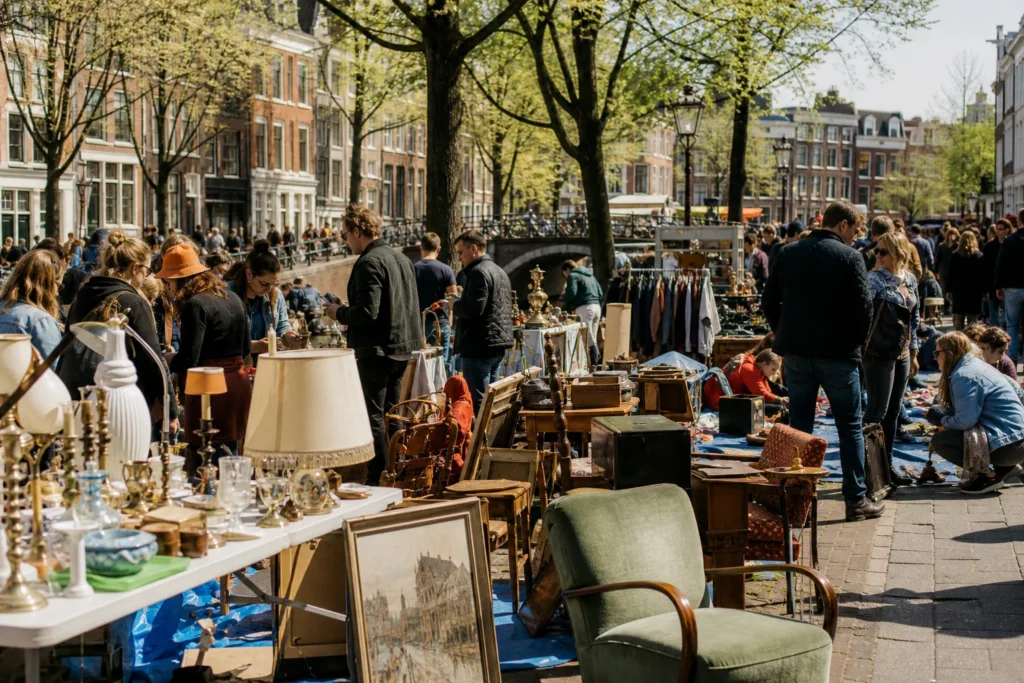
Picture a canal-side street at seven in the morning, every square metre of pavement claimed by someone laying a tarpaulin flat. A student tips a box of vinyl onto a sheet. A grandmother arranges Dutch ceramics in careful rows. A teenager prices a jacket by looking at it for three seconds. This is the vrijmarkt — Amsterdam's annual free market — and it runs across the whole city, not just one corner of it.
The legal quirk behind it is genuinely unusual. King's Day, celebrated each year on 27 April, is the one day when private individuals across the Netherlands can sell goods on public ground without a permit or VAT obligation. That single rule changes everything. It means the sellers are overwhelmingly ordinary people rather than professional traders, and prices reflect gut instinct rather than market research. For collectors and casual browsers alike, that gap between instinct and value is exactly where the interesting finds hide.
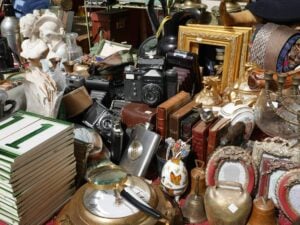
The range of goods reflects that democratic, anyone-can-sell energy. Vintage clothing and crates of vinyl sit beside mid-century Dutch ceramics and handheld electronics. Further along, you find children's toys, unloved kitchen gadgets and objects that resist easy description. Because professional dealers are the minority here, the market rewards buyers who move with confidence and arrive early. The vrijmarkt opens at 06:00 and runs until 20:00, giving serious browsers a long working day — though the best pieces rarely survive past noon.
Geography shapes the experience as much as timing does. The Jordaan draws heavy foot traffic into its narrow streets, creating a dense, energetic browsing corridor where something catches the eye every few steps. The Vondelpark offers a warmer, more generous atmosphere: children sell cast-off toys and clothes, often asking less than their goods are worth, while strangers frequently press more into their hands than the asking price. Further south, the Apollolaan near the Hilton Amsterdam attracts a slightly different crowd and a more spacious, unhurried feel.
Food stalls spread through the market zones across the day, which helps sustain the long hours on foot. Cash tends to move faster than cards at an informal event of this scale. Orange clothing, flags and accessories appear on every block — King's Day is a full national celebration, not only a market, and the mood combines commercial enthusiasm with genuine civic festivity.
The vrijmarkt suits flea market regulars, vintage hunters, curious visitors and anyone who enjoys the unpredictable energy of a city choosing to sell everything at once. It comes around only once a year, which means planning the trip around it rather than hoping to catch it in passing is well worth the effort.
Rokin station sits approximately 165 metres from the heart of the central market zone. Metro line 52 connects directly from Amsterdam Centraal and makes it easy to arrive as early as the market's 06:00 opening. Trams 4 and 14 also serve Rokin, roughly 200 metres away, and offer a useful option for visitors coming from the south or east of the city.
Frequently Asked Questions
Q: When does the vrijmarkt take place and how long does it run?
A: The vrijmarkt happens once a year on King's Day, 27 April, across Amsterdam. Selling is permitted from early morning until 20:00, giving you a full day to browse — though the most interesting pieces tend to disappear well before noon, so arriving early makes a real difference.
Q: Why are prices often lower here than at regular flea markets?
A: The legal setup behind King's Day allows private individuals to sell on public ground without a permit or VAT obligation, which means the vast majority of sellers are ordinary people clearing out their homes rather than professional traders. Prices tend to reflect gut instinct rather than research, and that gap is exactly where the worthwhile finds hide.
Q: Which neighbourhoods are worth prioritising for vintage and secondhand goods?
A: The Jordaan's narrow canal-side streets draw heavy foot traffic and create a dense, high-energy browsing corridor well suited to vintage clothing, vinyl and ceramics. The Apollolaan near the Hilton Amsterdam has a more spacious, unhurried feel and a slightly different crowd. The Vondelpark skews younger and more casual, with children selling toys and clothes at often very modest prices.
Q: Should I bring cash?
A: Yes. At an informal, city-wide event of this scale, cash moves significantly faster than card payments, and many private sellers won't have card readers at all. Arriving with small notes saves negotiation time and keeps things moving.
Q: Is this purely a market or is there more going on?
A: King's Day is a full national celebration, not just a market day. Orange clothing, flags and accessories appear on every block, food stalls spread across the market zones throughout the day, and the overall mood combines genuine commercial energy with civic festivity. Plan for a long day on foot — it's worth it.
Marketplace Highlights








Add a review