


Region
21st Century Flea Market is permanently closed. The market is retained as an editorial archive of the venue and its distinctive character.
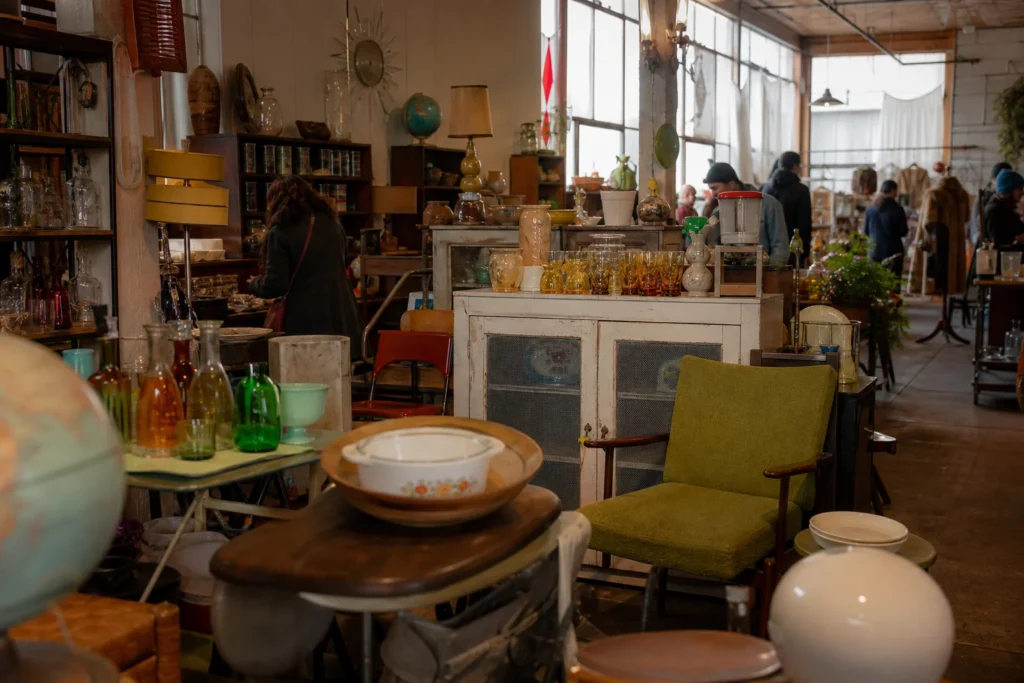
At its peak, the 21st Century Flea Market filled a substantial hall with 185 tables and more than 170 vendors, making it one of Vancouver's most serious collector-focused markets. The scale alone set it apart from casual weekend sales. Browsers arrived expecting variety; collectors arrived with lists and left with finds.
The merchandise leaned firmly toward mid-century character. One section might hold retro furniture, wall clocks, advertising tins and painted pottery. Another yielded paperback novels, comic books, vintage postcards and decorative china. Linens, lace, dolls, toys, kitchenware and glass filled the gaps between, alongside the kind of country-store objects and bottled curiosities that seasoned pickers spend years tracking down. The range was wide enough to reward repeat visits, which the bimonthly format quietly encouraged.
Vendors at the 21st Century Flea Market brought a particular atmosphere to the floor. They were knowledgeable, sociable and genuinely open to negotiation — the kind of seller who would talk history before discussing price. That culture gave the market a relaxed, collegial feel quite different from a sterile antiques showroom. Haggling was expected, and regulars knew it.
The market operated a tiered admission structure that reflected its collector-first philosophy. General admission ran at five dollars. Early Bird tickets, priced at twenty dollars, allowed entry three full hours before the general public arrived — a meaningful advantage when the best pieces moved quickly. Children under thirteen entered free alongside a paying adult. These figures stand as historical pricing from the market's operating period.
What distinguished the 21st Century Flea Market most sharply from comparable events was its drop-in appraisal service. An in-house appraiser named Gale was available on market days to assess antique items brought in by visitors. The rules were practical: pieces had to be small enough to carry in, with a maximum of three items per person. For collectors unsure about a recent acquisition or a family heirloom, this service offered rare on-the-spot expertise in a flea market setting. It gave the event a more professional, trust-based character than most casual weekend markets ever achieved.
The market shared grounds with the Retro Design and Antiques Fair, adding further depth to the event for dedicated enthusiasts. Its location on Commercial Drive placed it in one of Vancouver's most independently minded neighbourhoods — a stretch known for eclectic boutiques, galleries and a strong local creative identity that suited the market's spirit well. On-site amenities included free parking, a snack bar and an ATM, practical touches that smoothed a full day's browsing.
Together, the scale, the appraisal service, the tiered entry structure and the negotiating culture made the 21st Century Flea Market a genuinely distinctive fixture on the Vancouver vintage calendar — a market that took its collectors seriously, and drew collectors who returned the favour.
Frequently Asked Questions
Q: What kind of items did the 21st Century Flea Market specialise in?
A: The market leaned heavily toward mid-century collectibles and antiques. Vendors brought retro furniture, kitchenware, china, glass, clocks, silverware and linens alongside paper and printed ephemera — comic books, classic novels, postcards and advertising materials. Decorative pieces such as pottery, paintings, dolls and country-store curiosities filled out the floor. With over 170 vendors and 185 tables, the range was broad enough to reward collectors with very specific lists and browsers with no list at all.
Q: What made the 21st Century Flea Market different from a typical weekend flea market?
A: Its drop-in appraisal service set it apart most sharply. An in-house appraiser named Gale was available on market days to assess antique items brought in by visitors — up to three pieces per person, small enough to carry. Finding that level of on-site expertise at a flea market was genuinely unusual. The vendor culture reinforced this: sellers were knowledgeable and openly negotiable, and haggling was part of the floor's character rather than an exception to it.
Q: How did the Early Bird admission work?
A: An Early Bird ticket, historically priced at twenty dollars, allowed entry three full hours before general admission opened at five dollars. For collectors, that head start was a real advantage — the most sought-after pieces rarely waited until the general doors opened. Children under thirteen entered free alongside a paying adult. These were the market's operating-era prices.
Q: Was the 21st Century Flea Market held regularly?
A: The market ran on a bimonthly schedule, which gave it a recurring presence on Vancouver's vintage calendar and gave regulars a reason to return across the year. It shared the same event grounds with the Retro Design and Antiques Fair, adding further depth for dedicated collectors on market days.
Q: Is the 21st Century Flea Market still running?
A: No. The market is permanently closed. The market is maintained as an editorial archive of the venue and its character during its operating years.
Marketplace Highlights







Add a review