

Region
A fur jacket rail that actually delivers variety is a rare thing in Manhattan thrift retail. At 286 Third Avenue, in the Gramercy and Kips Bay stretch of the East Side, Vintage Thrift Shop treats that detail as a baseline rather than a boast. The shop benefits the United Jewish Council of the East Side, and every sale feeds directly back into that community mission.
What sets this place apart is not the charity connection alone — it is the editorial control over what reaches the floor. Donations are assessed on arrival. Worn, stained or damaged pieces do not make the cut, full stop. That process means browsing here feels focused rather than speculative. Shoppers move through a curated range, not a sorted pile.
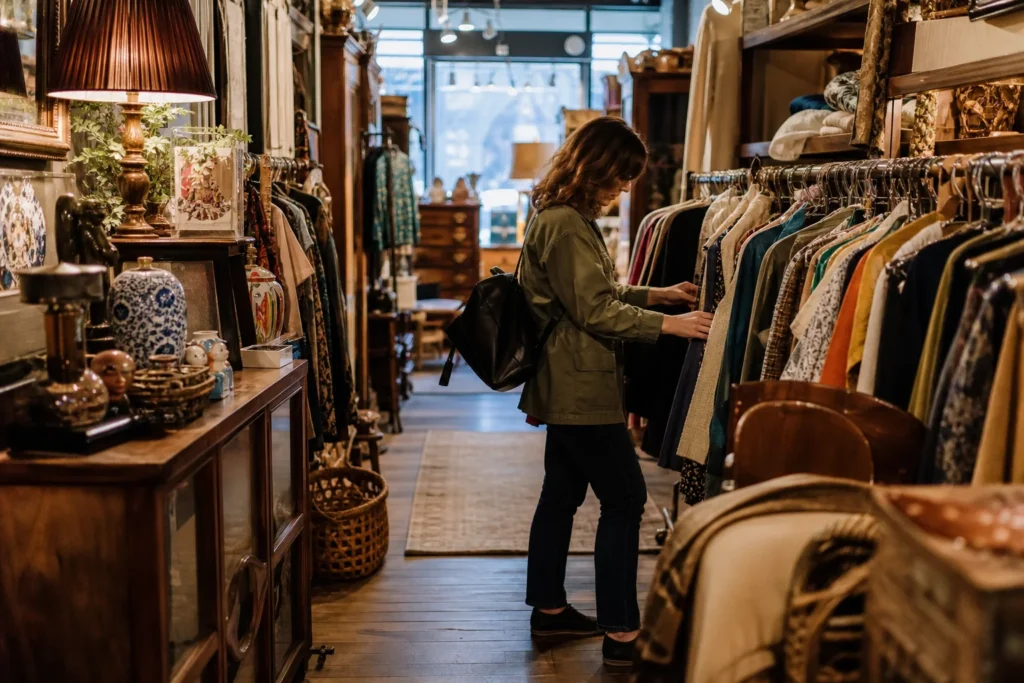
The fashion selection reflects that standard clearly. Fur jackets appear in genuine variety and rotate often. The wider clothing range covers men's and women's pieces, shoes, scarves, jewellery and accessories — items that feel closer to a well-kept estate sale than a typical charity rack. The quality gate holds across categories, and that consistency is what brings people back.
Home goods and furniture occupy the other half of the shop with the same care. Antique frames, china, glassware, lamps, rugs and artwork share floor space with a furniture selection that skews period-specific rather than generic. Mid-century and earlier domestic pieces appear regularly. Nothing arrives broken, and nothing gets patched over and placed quietly at the back.
The charity dimension runs deeper than a drop-off box by the door. Proceeds from sales support the United Jewish Council of the East Side directly. Donors clearing quality clothing, furniture or household goods can also claim a tax deduction on qualifying contributions. Staff can advise on what the shop currently needs, making it a practical stop for anyone downsizing or clearing an estate.
The shop opens Sunday through Friday, 10:30 to 19:00, and stays closed on Saturdays. That six-day window suits collectors and vintage buyers who want genuine quality without committing to a weekend rummage. Stock rotates often enough that a visit every few weeks rarely covers the same ground twice. Regulars tend to arrive with a loose intention — a coat, a piece of glassware, something for a wall — and leave with that or something better they had not expected.
Getting here is straightforward. The bus stop at East 23rd Street and Lexington Avenue sits roughly 50 metres from the shop, served by routes SIM6, SIM11, X63, X64 and X68. The 23rd Street–Baruch College subway station is approximately 300 metres away, with lines 4 and 6 connecting to the wider city. An alternative subway option, 28th Street on the same lines, is around 500 metres distant.
Frequently Asked Questions
Q: What kinds of items does Vintage Thrift Shop carry?
A: The shop covers a broad range across two main categories. On the fashion side, expect fur jackets, men's and women's clothing, shoes, scarves, jewellery and accessories. The home and furniture side includes antique frames, china, glassware, lamps, rugs, artwork and rotating period furniture — with a noticeable lean toward mid-century and earlier domestic pieces.
Q: How does the shop decide what goes on the floor?
A: Donations are assessed on arrival. Worn, stained or damaged items do not make it onto the floor, which gives the browsing experience a focused, estate-sale quality rather than the speculative feel of a standard charity rummage. Stock rotates often, so repeat visits tend to cover fresh ground.
Q: Can I donate items and receive a tax deduction?
A: Yes. The shop accepts quality donations of clothing, furniture and household goods, and donors can claim a tax deduction on qualifying contributions. Staff can advise on what the shop currently needs, making it a practical stop for anyone downsizing or clearing an estate.
Q: When is the shop open, and how do I get there?
A: The shop opens Sunday through Friday, 10:30 to 19:00, and is closed on Saturdays. It sits at 286 Third Avenue in the Gramercy and Kips Bay area. The nearest subway is 23rd Street on the 4 and 6 lines, around 300 metres away. Confirm current hours directly before visiting, as these details are unverified at the time of publication.
Q: Who benefits from purchases made at the shop?
A: Every sale supports the United Jewish Council of the East Side directly, so buying here carries a community purpose alongside the find itself.
Marketplace Highlights








Add a review